
Immunoassay Testing


Thermo Scientific™ Microbact™ GNB Kit
Simplify the identification of Enterobacteriaceae and common miscellaneous Gram-negative bacilli with this biochemical identification system.

Thermo Scientific™ Remel™ BactiDrop™ Kovac's Indole
Determine of the ability of microorganisms, to split indole from tryptophan using BactiDrop™ Kovac's Indole reagent.

Thermo Scientific™ RapID™ ONE System
Identify over 70 medically important, oxidase-negative, gram-negative bacilli is just four hours using this rapid identifcation system.

Thermo Scientific™ Remel™ Pathotec™ and CO Paper Strips
Thermo Scientific™ Remel Pathotec and CO are reagent impregnated paper strips used for the detection of cytochrome oxidase enzyme.
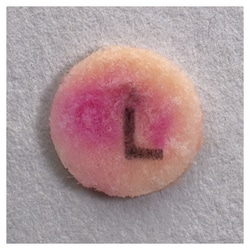
Thermo Scientific™ LAP Disk
Rapidly detect leucine aminopeptidase activity in streptococci and related genera with this ready-to-use, LAP-impregnated disk.
Thermo Scientific™ Remel™ BactiDrop™ Oxidase
Detect the presence of cytochrome oxidase enzyme with BactiDrop Oxidase.

Thermo Scientific™ Remel™ Voges-Proskauer A Test
Determine the ability of gram-negative bacilli to produce acetylmethylcarbinol (acetoin) from glucose fermentation using Voges-Proskauer A Test.
Thermo Scientific™ Remel™ Methyl Red Reagent
Test the ability of the organism to produce and maintain stable end products from glucose fermentation using Methyl Red Reagent.

Thermo Scientific™ RapID™ SS/u System
Identify commonly isolated urinary tract pathogens in just two hours using this rapid identifcation system.
Thermo Scientific™ Remel™ Kovacs Indole Reagent
Determine the ability of microorganisms, primarily Enterobacteriaceae, to split indole from the tryptophan molecule with Kovac's Indole Reagent.

Thermo Scientific™ 0129 Discs
Differentiate Vibrios from other Gram-negative rods using these diagnostic discs.

Thermo Scientific™ Oxoid™ Microbact™ Listeria 12L Kit
Simplify the identification of Listeria spp., including Listeria monocytogenes, with the Thermo Scientific™ Oxoid™ Microbact™ Listeria 12L Kit.

Thermo Scientific™ Biochemical Identification System (O.B.I.S.) Mono
Rapidly differentiate Listeria monocytogenes from other Listeria species with this biochemical identification System.

Thermo Scientific™ SPS Disk
SPS Disk is a reagent-impregnated disk recommended for presumptive identification of Peptostreptococcus anaerobius.
Thermo Scientific™ Gram-Sure
Use Gram-Sure reagent-impregnated disk to rapidly differentiate aerobic, Gram-negative, and Gram-positive rods or coccobacilli.