missing translation for 'onlineSavingsMsg'
Learn More
Learn More
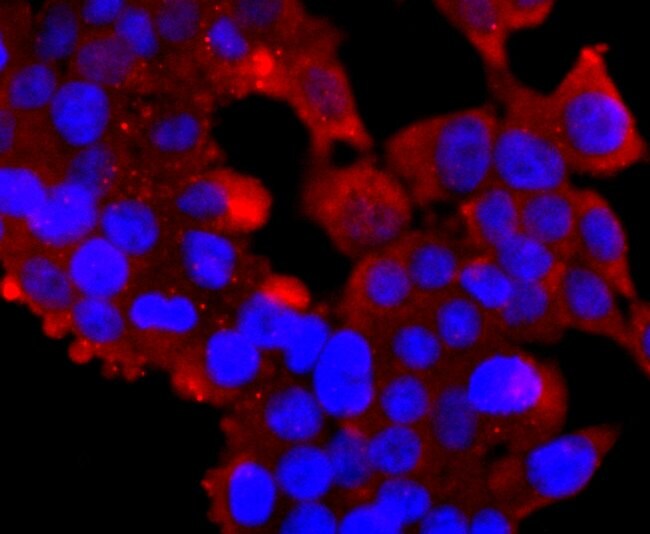
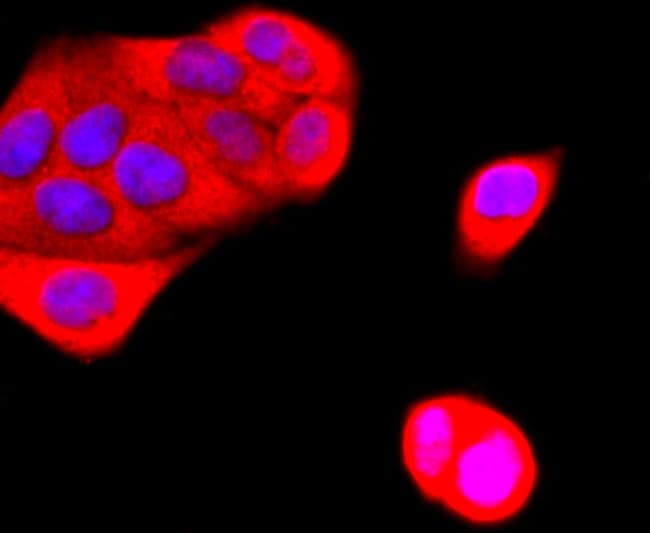
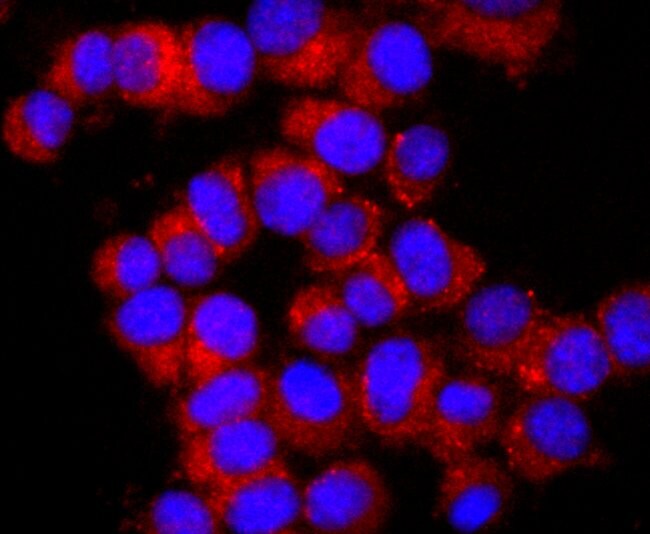
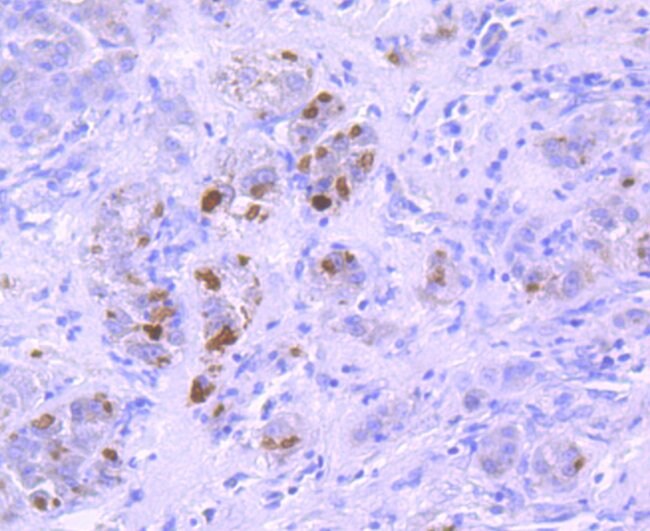
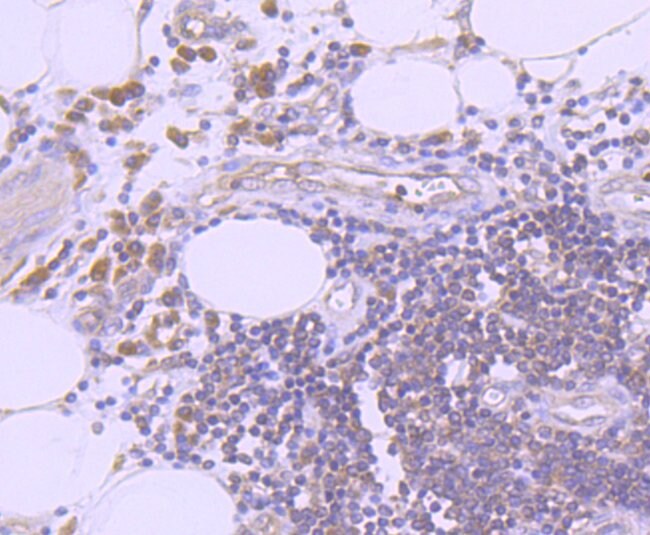
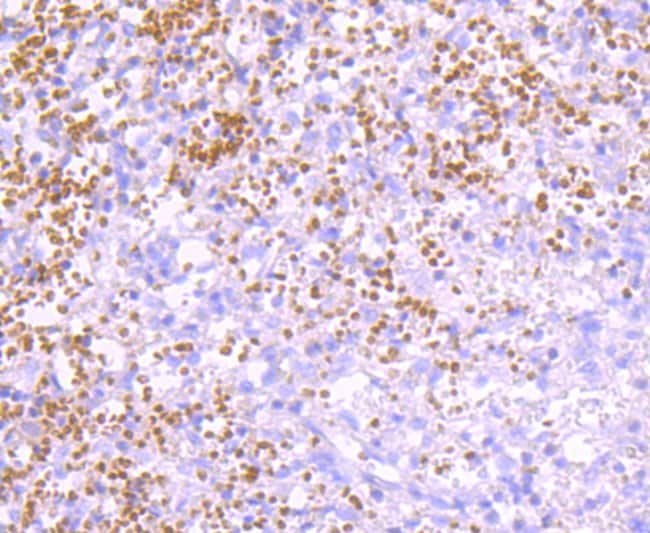
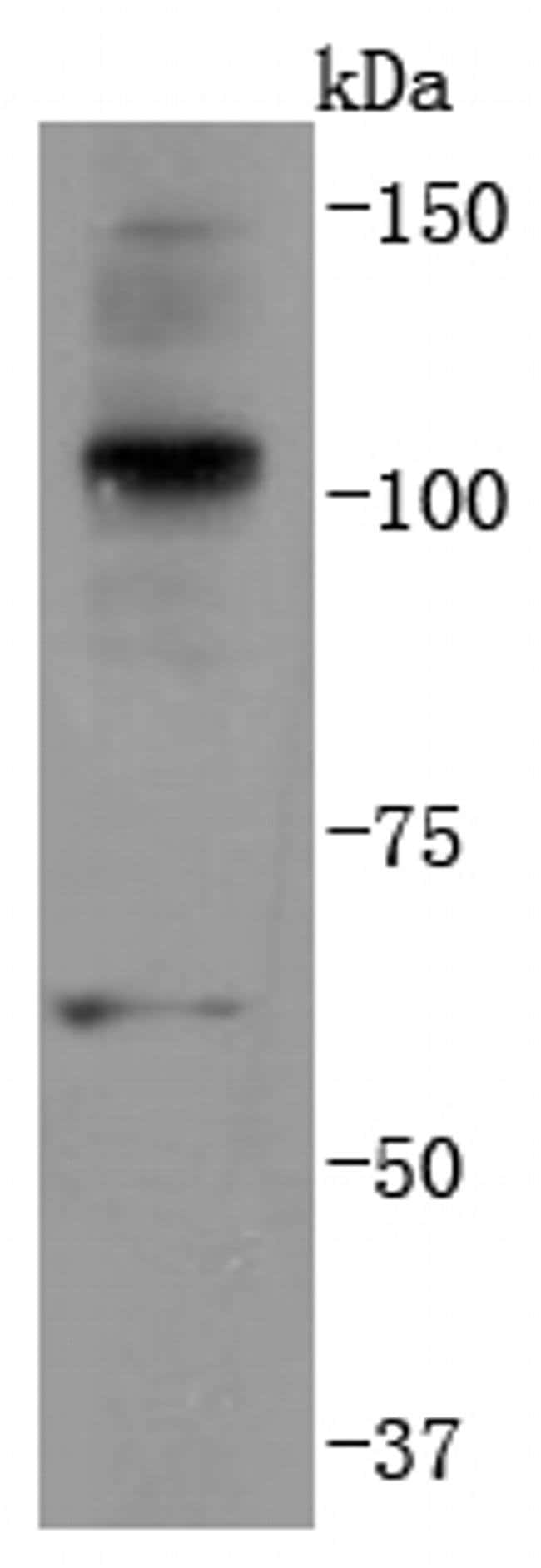
Invitrogen™ Ub-K63 Recombinant Rabbit Monoclonal Antibody (JM09-67)

Description
Recombinant rabbit monoclonal antibodies are produced using in vitro expression systems. The expression systems are developed by cloning in the specific antibody DNA sequences from immunoreactive rabbits. Then, individual clones are screened to select the best candidates for production. The advantages of using recombinant rabbit monoclonal antibodies include: better specificity and sensitivity, lot-to-lot consistency, animal origin-free formulations, and broader immunoreactivity to diverse targets due to larger rabbit immune repertoire.
Ubiquitin is a conserved 76 amino acid polypeptide and can affect proteasomal degradation of the protein it is bound to, or mediate interactions with other proteins related to post-translational modifications. The degradation of cellular regulatory proteins by the Uubiquitin pathway is important as it controls the cellular growth and proliferation. Ubiquitin-dependent proteolysis occurs after a covalent attachment of the peptide to a lysine residue of a protein, which involves three enzymatic reactions: E1, E2 and E3. The first reaction involves ubiquitin-activating enzyme. The third reaction uses enzyme ubiquitin ligase (E3) to transfer the activated ubiquitin from E2 to a lysine residue on a protein, or directly transfers the ubiquitin from E2 to the substrate.
Spécifications
Spécifications
| Antigène | Ub-K63 |
| Applications | Immunohistochemistry (Paraffin), Western Blot, Immunocytochemistry, Western Blot |
| Classification | Recombinant Monoclonal |
| Clone | JM09-67 |
| Concentration | 1 mg/mL |
| Conjugué | Unconjugated |
| Formule | TBS with 0.05% BSA, 40% Glycerol and 0.05% sodium azide; pH 7.4 |
| Gène | UBC |
| Numéro d’acquisition du gène | P0CG47, P0CG48, P0CG49, P0CG50, P0CG51, P62979, P62982, P62983, P62984, P62986, P62987, Q63429 |
| Alias du gène | 0610006J14Rik; 2700054O04Rik; 40S ribosomal protein S27a; 60S ribosomal protein L40; AI194771; AL033289; CEP52; CEP80; D8Ertd21e; epididymis luminal protein 112; epididymis secretory protein Li 50; Gm1863; HEL112; HEL-S-50; HMG20; HUBCEP52; L40; Large ribosomal subunit protein eL40; LOC100912032; polyubiquitin B; polyubiquitin C; polyubiquitin-B; Polyubiquitin-C; ribosomal protein S27A; RPL40; Rps27a; S27A; Small ribosomal subunit protein eS31; TI-225; Uba52; UBA80; Ubb; Ubb2; UBC; UBCEP1; UBCEP2; UBCEP80; Ubiquitin; Ubiquitin A-52 residue ribosomal protein fusion product 1; ubiquitin and ribosomal protein S27a; ubiquitin B; ubiquitin C; ubiquitin carboxyl extension protein 52; ubiquitin carboxyl extension protein 80; ubiquitin/60S ribosomal fusion protein; Ubiquitin-40S ribosomal protein S27a; ubiquitin-40S ribosomal protein S27a-like; ubiquitin-52 amino acid fusion protein; ubiquitin-60S ribosomal protein L40; ubiquitin-CEP52; ubiquitin-CEP80; Ubiquitin-related; Ubiquitin-related 1; Ubiquitin-related 2 |
| Afficher plus de résultats |