missing translation for 'onlineSavingsMsg'
Learn More
Learn More
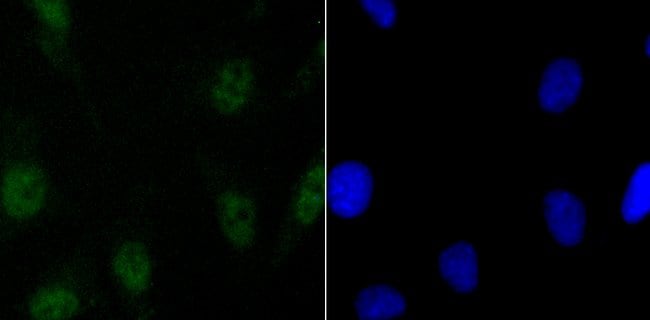
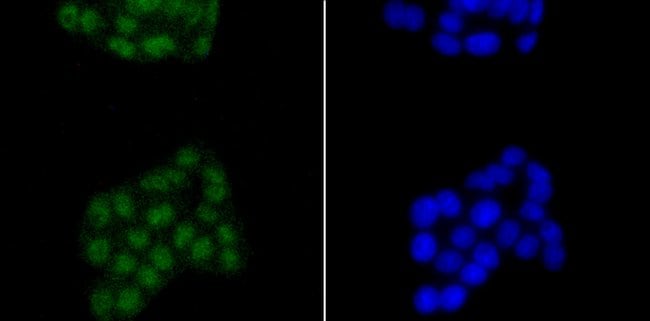
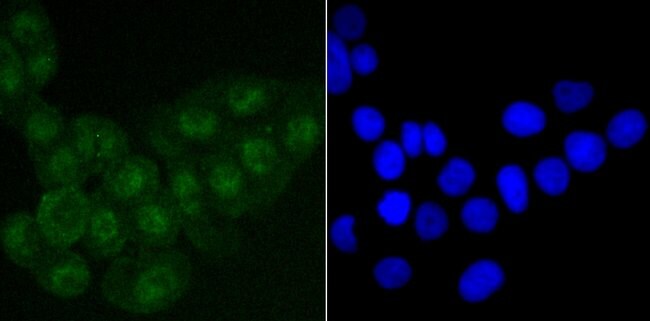
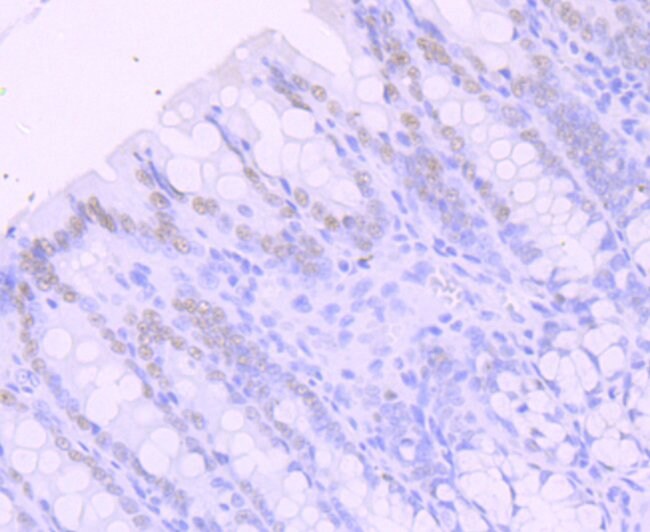
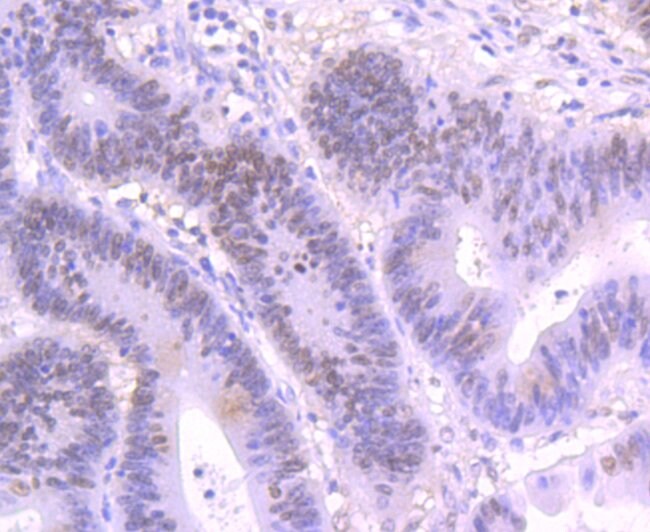
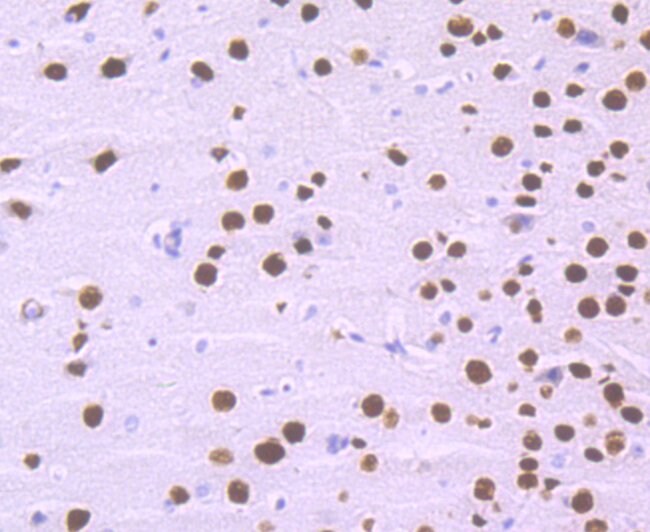
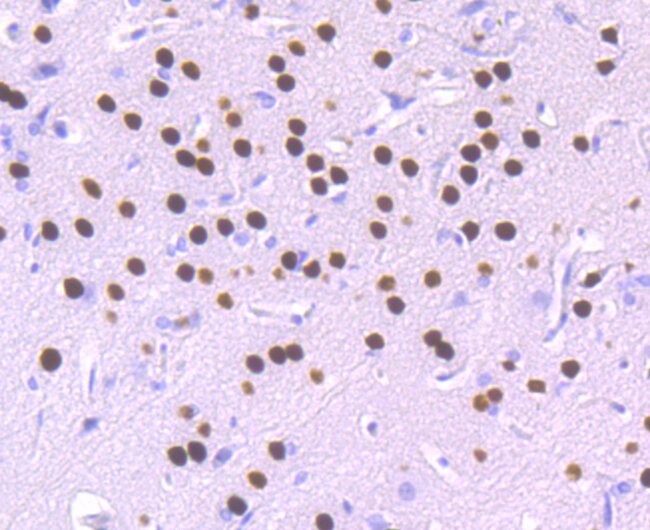
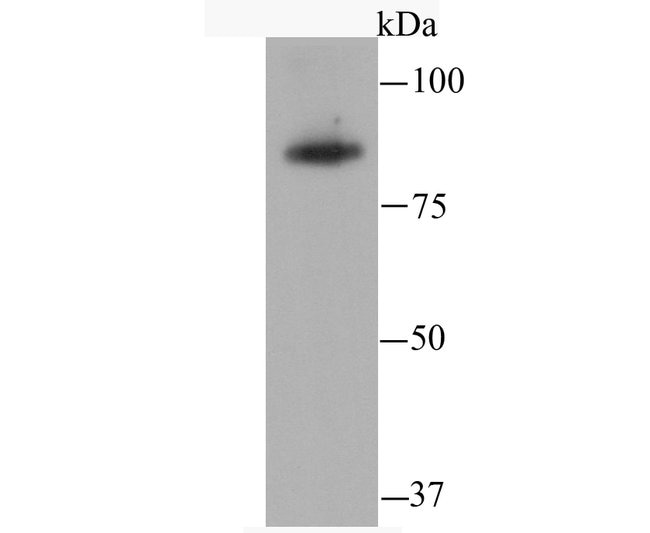
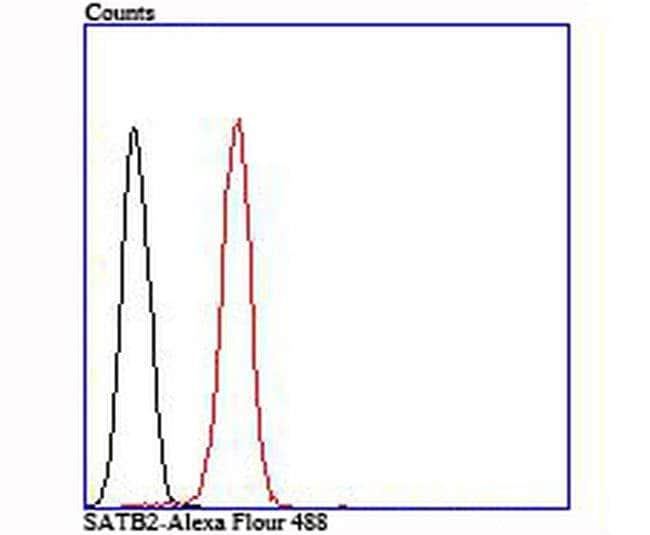
Invitrogen™ SATB2 Recombinant Rabbit Monoclonal Antibody (JM52-44)

Description
Recombinant rabbit monoclonal antibodies are produced using in vitro expression systems. The expression systems are developed by cloning in the specific antibody DNA sequences from immunoreactive rabbits. Then, individual clones are screened to select the best candidates for production. The advantages of using recombinant rabbit monoclonal antibodies include: better specificity and sensitivity, lot-to-lot consistency, animal origin-free formulations, and broader immunoreactivity to diverse targets due to larger rabbit immune repertoire.
DNA-binding protein SATB2 binds to DNA at the nuclear matrix- or scaffold associated regions. It is thought to recognize the sugar-phosphate structure of double-stranded DNA. SATB2 is a transcription factor controlling nuclear gene expression by binding to matrix attachment regions (MARs) of DNA and inducing a local chromatin-loop remodeling. It also acts as a docking site for several chromatin remodeling enzymes by recruiting corepressors (HDACs) or coactivators (HATs) directly to promoters and enhancers. SATB2 is required for the initiation of the upper-layer neurons (UL1) specific genetic program and for the inactivation of deep-layer neurons (DL) and UL2 specific genes - probably by modulating BCL11B expression. It is a repressor of Ctip2 and a regulatory determinant of corticocortical connections in the developing cerebral cortex. Mutations in the gene are associate with cleft palate isolated (CPI).
Spécifications
Spécifications
| Antigène | SATB2 |
| Applications | Flow Cytometry, Immunohistochemistry (Frozen), Immunohistochemistry (Paraffin), Western Blot, Immunocytochemistry |
| Classification | Recombinant Monoclonal |
| Clone | JM52-44 |
| Concentration | 1.04 mg/mL |
| Conjugué | Unconjugated |
| Formule | TBS with 0.05% BSA, 40% Glycerol and 0.05% sodium azide; pH 7.4 |
| Gène | SATB2 |
| Numéro d’acquisition du gène | Q8VI24, Q9UPW6 |
| Alias du gène | DNA-binding protein SATB2; FLJ21474; FLJ32076; GLSS; KIAA1034; KIAA1034-like DNA binding protein; MGC119474; MGC119477; mKIAA1034; RGD1562369; SATB family member 2; SATB homeobox 2; SATB2; special AT-rich sequence binding protein 2; special AT-rich sequence-binding protein 2; two cut domains-containing homeodomain protein |
| Afficher plus de résultats |