missing translation for 'onlineSavingsMsg'
Learn More
Learn More
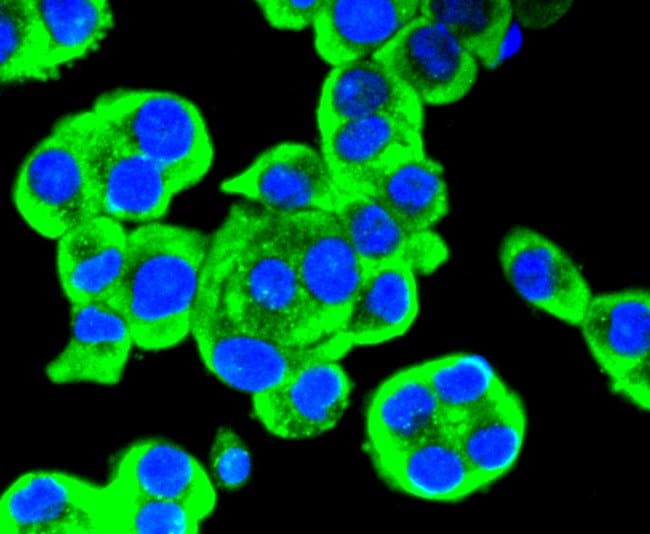
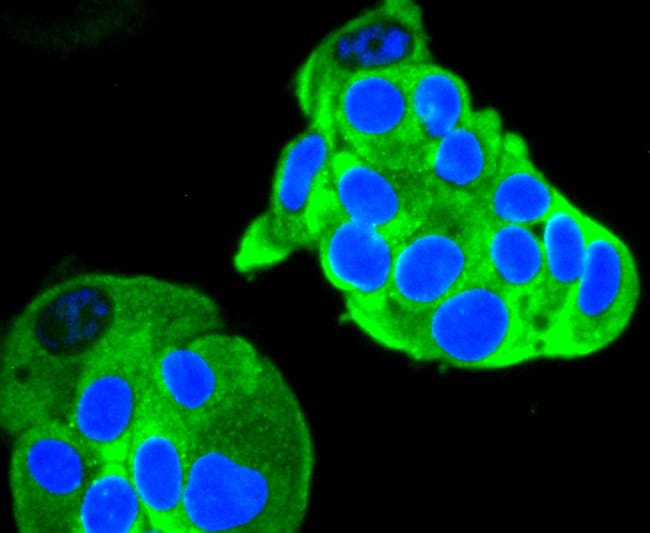
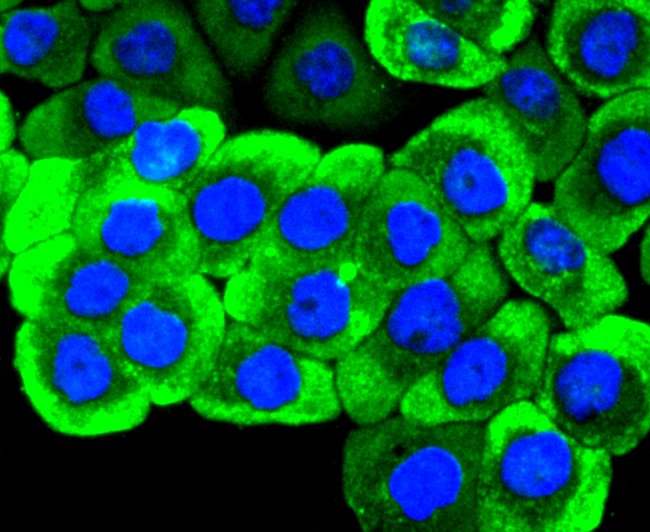
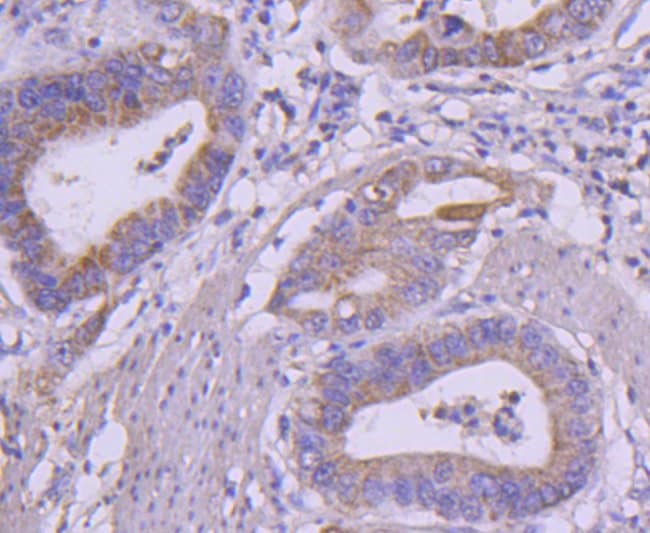
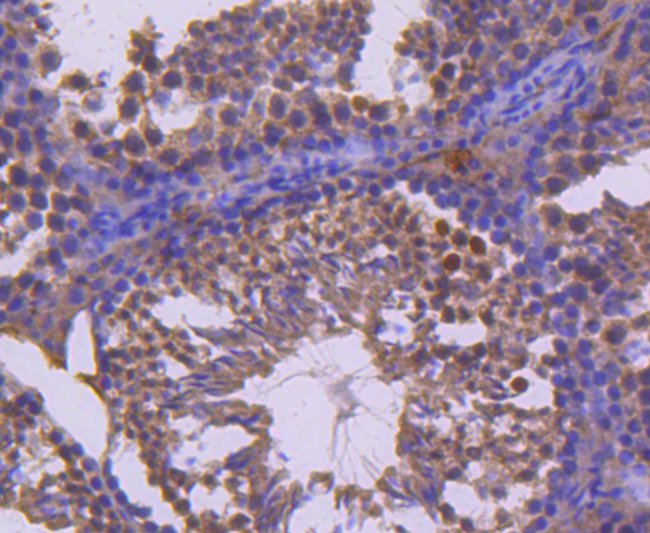
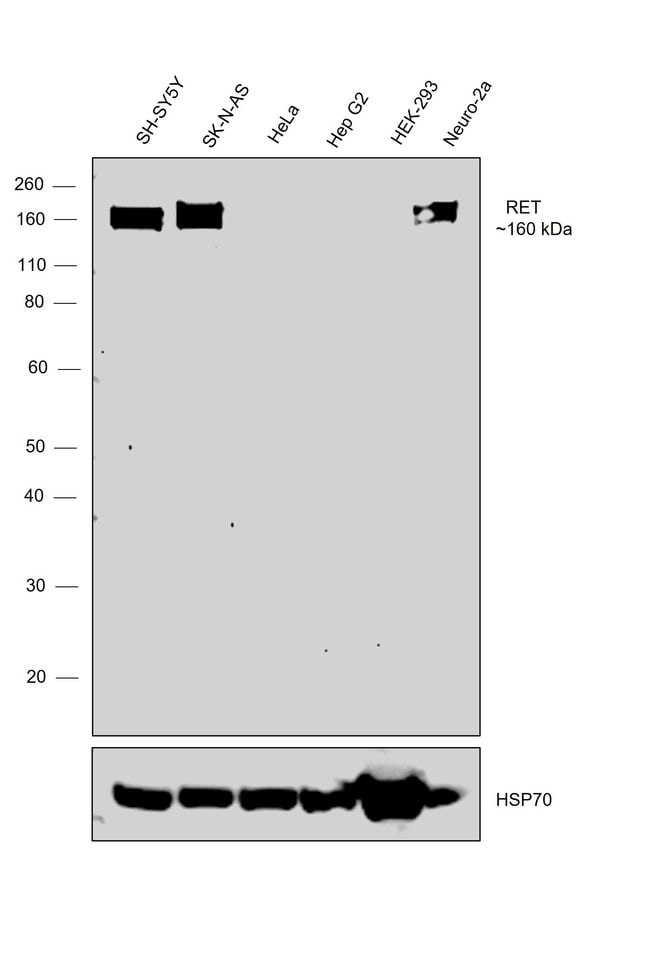
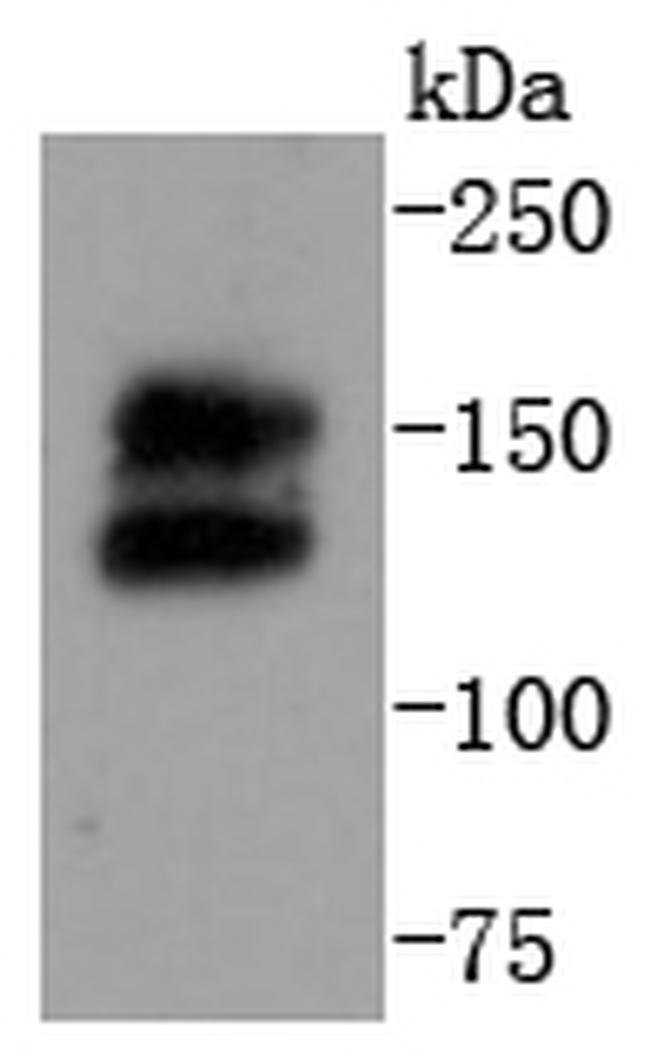
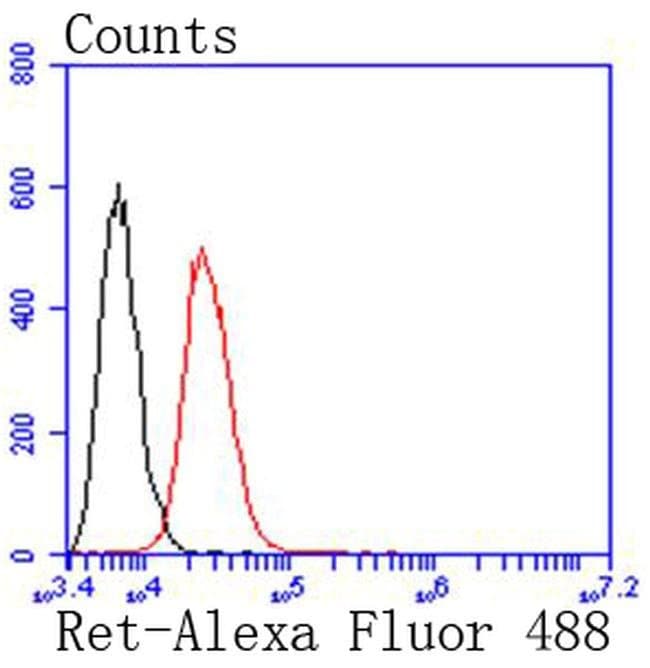
Invitrogen™ RET Recombinant Rabbit Monoclonal Antibody (SN20-28)

Description
Recombinant rabbit monoclonal antibodies are produced using in vitro expression systems. The expression systems are developed by cloning in the specific antibody DNA sequences from immunoreactive rabbits. Then, individual clones are screened to select the best candidates for production. The advantages of using recombinant rabbit monoclonal antibodies include: better specificity and sensitivity, lot-to-lot consistency, animal origin-free formulations, and broader immunoreactivity to diverse targets due to larger rabbit immune repertoire.
The receptor tyrosine kinase RET is a member of the cadherin superfamily. RET plays a crucial role in neural crest development, and can undergo oncogenic activation by cytogenetic rearrangement. RET transduce signals for cell growth and differentiation. Mutations in the RET gene are associated with the disorders multiple endocrine neoplasia, type IIA, multiple endocrine neoplasia, type IIB, Hirschsprung disease, and medullary thyroid carcinoma. Two transcript variants encoding different isoforms have been found for the RET gene. Additional transcript variants have been described for RET but their biological validity has not been confirmed.
Spécifications
Spécifications
| Antigène | RET |
| Applications | Flow Cytometry, Immunohistochemistry (Paraffin), Western Blot, Immunocytochemistry, Western Blot |
| Classification | Recombinant Monoclonal |
| Clone | SN20-28 |
| Concentration | 1 mg/mL |
| Conjugué | Unconjugated |
| Formule | TBS with 0.05% BSA, 40% Glycerol and 0.05% sodium azide; pH 7.4 |
| Gène | RET |
| Numéro d’acquisition du gène | G3V9H8, P07949, P35546 |
| Alias du gène | Cadherin family member 12; Cadherin family member 12 (CDHF12); Cadherin related family member 16 (CDHR16); cadherin-related family member 16; CDHF12; CDHR16; CG1061; CG14396; CG14396-PA; CG14396-PB; CG14396-PC; c-Ret; CUX1/RET fusion; Dmel\CG14396; Dmel_CG14396; DmHD-59; DmRet; Dret; D-ret; EC 2.7.10.1; ELKS; Extracellular cell-membrane anchored RET cadherin 120 kDa fragment; HD-59; HSCR1; Hydroxyaryl protein kinase; hydroxyaryl-protein kinase; kinase Ret; MEN2; MEN2A; MEN2B; MTC1; Multiple endocrine neoplasia and medullary thyroid carcinoma 1; Oncogene RET; OTTHUMP00000216967; proto-oncogene c-Ret; Proto-oncogene tyrosine-protein kinase receptor Ret; PTC; rearranged during transfection; receptor tyrosine kinase; ret; RET ELE1; Ret gene for receptor tyrosin; Ret oncogene; ret proto-oncogene; ret proto-oncogene (multiple endocrine neoplasia and medullary thyroid carcinoma 1, Hirschsprung disease); Ret proto-oncogene (multiple endocrine neoplasia MEN2A MEN2B and medullary thyroid carcinoma 1 Hirschsprung disease); RET receptor tyrosine kinase; RET transforming sequence; RET51; RET9; RET-ELE1; Reto; Ret-PA; Ret-PB; Ret-PC; Soluble RET kinase fragment |
| Afficher plus de résultats |