missing translation for 'onlineSavingsMsg'
Learn More
Learn More
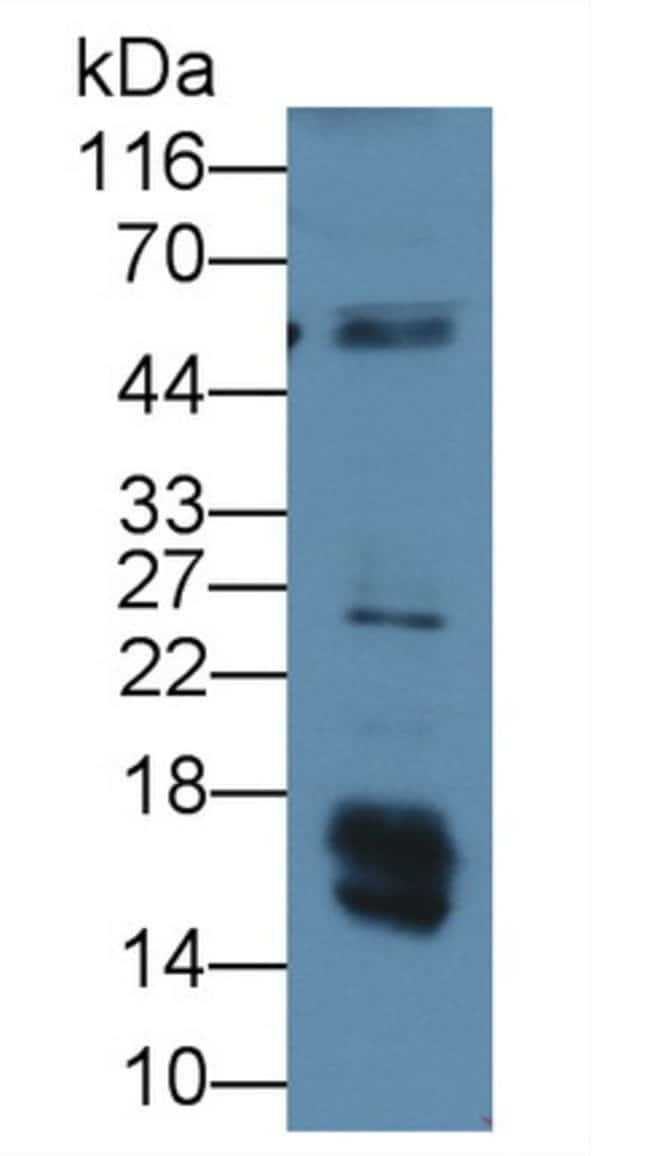
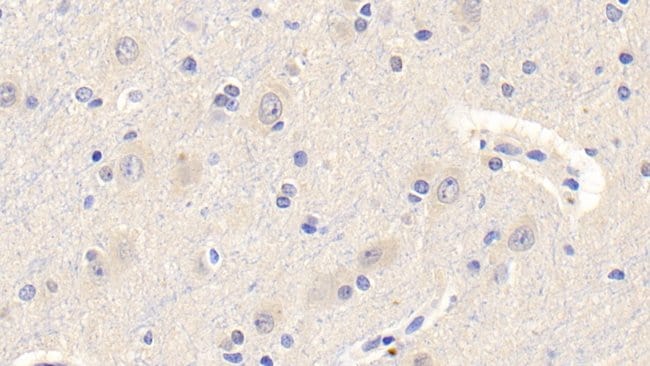
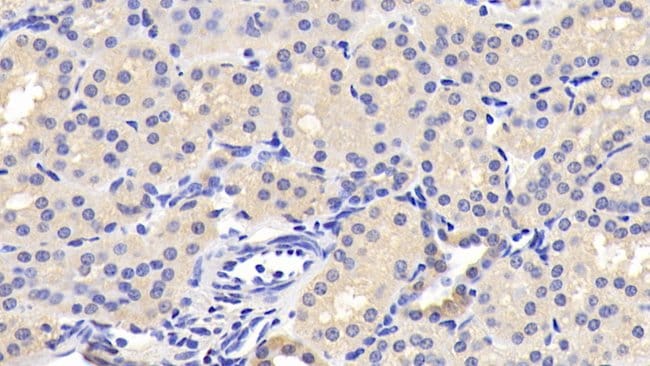
Invitrogen™ Leptin Monoclonal Antibody (C5), Invitrogen™
Description
Leptin is a 167 amino acid long protein hormone with important effects in regulating body weight, metabolism and reproductive function. Leptin is approximately 16 kDa in mass and encoded by the obese (ob) gene. Leptin is expressed predominantly by adipocytes, which fits with the idea that body weight is sensed as the total mass of fat in the body. Smaller amounts of leptin are also secreted by cells in the epithelium of the stomach and in the placenta. Leptin receptors are highly expressed in areas of the hypothalamus known to be important in regulating body weight, as well as in T lymphocytes and vascular endothelial cells. Leptin's effects on body weight are mediated through effects on hypothalamic centers that control feeding behavior and hunger, body temperature and energy expenditure. Leptin is involved in regulating food intake, energy expenditure, and adiposity through hypothalamic leptin receptors. Leptin promotes hematopoiesis, angiogenesis, wound healing, inflammation, immune responses, influences pubertal development and fetal growth. Studies have investigated the role of leptin in obesity, anorexia nervosa, insulin resistance, and hypertension. Leptin also has thermogenic actions and regulates enzymes of fatty acid oxidation. Severe hereditary obesity in rodents and humans can be caused by defects in leptin production.
Spécifications
Spécifications
| Antigène | Leptin |
| Applications | Western Blot, Immunocytochemistry |
| Classification | Monoclonal |
| Clone | C5 |
| Concentration | 1 mg/mL |
| Conjugué | Unconjugated |
| Formule | PBS with 50% glycerol and 0.05% ProClin 300; pH 7.4 |
| Gène | Lep |
| Numéro d’acquisition du gène | P41159 |
| Alias du gène | CD295 antigen; H-Leptin; HuB219; Lep; LEPD; LEP-R; Leptin; leptin (murine obesity homolog); leptin (obesity homolog, mouse); leptin precursor; Method: conceptual translation supplied by author.; OB; obese; obese protein; obese, mouse, homolog of; obesity; obesity factor; obesity protein; OB-R; OBS; truncated leptin |
| Afficher plus de résultats |