missing translation for 'onlineSavingsMsg'
Learn More
Learn More
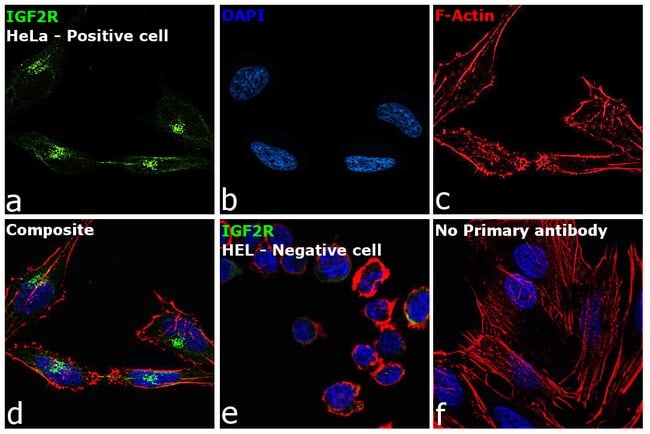
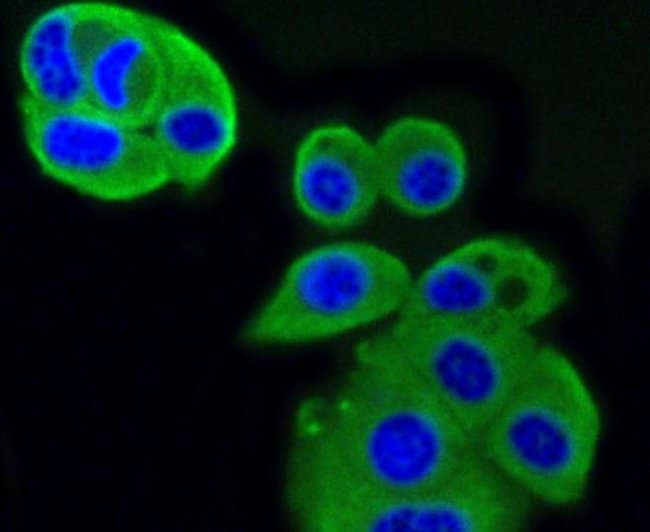
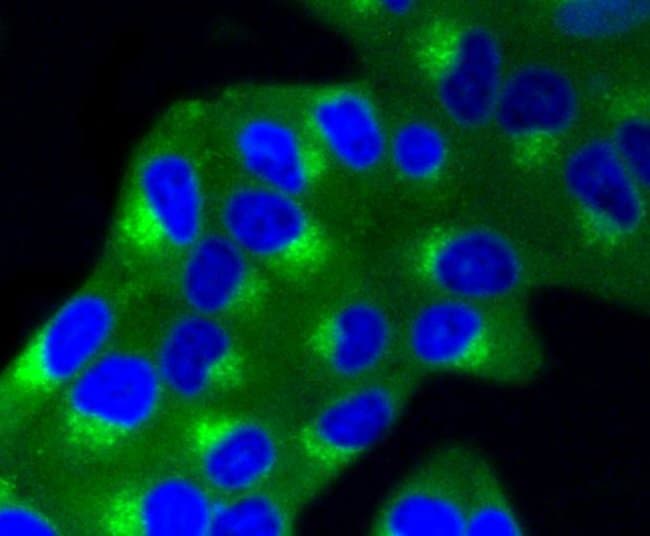
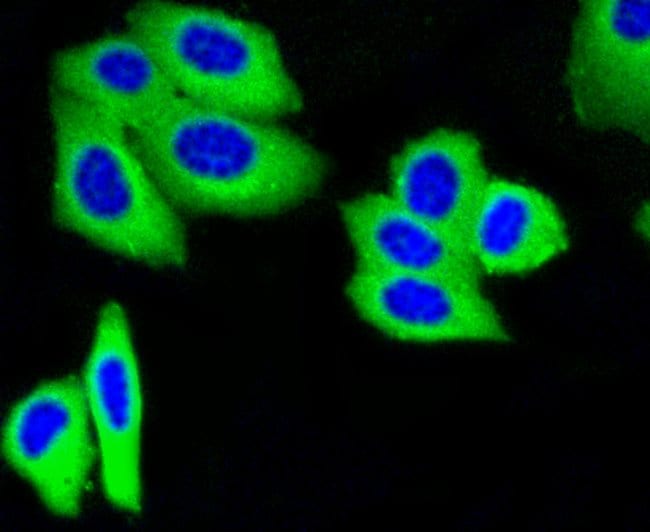
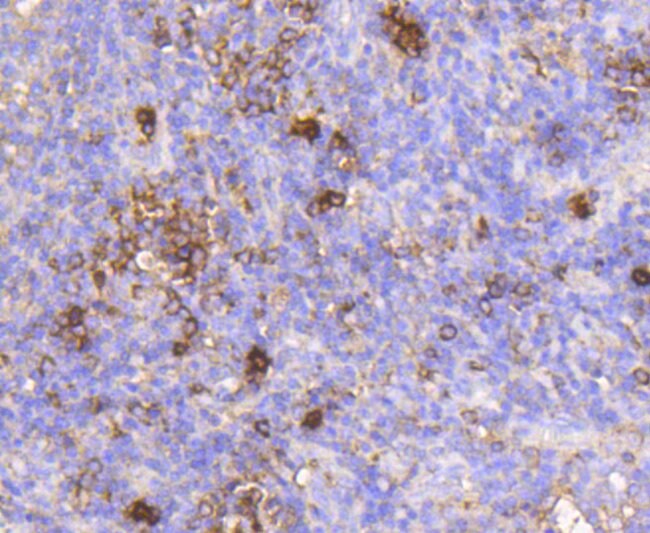
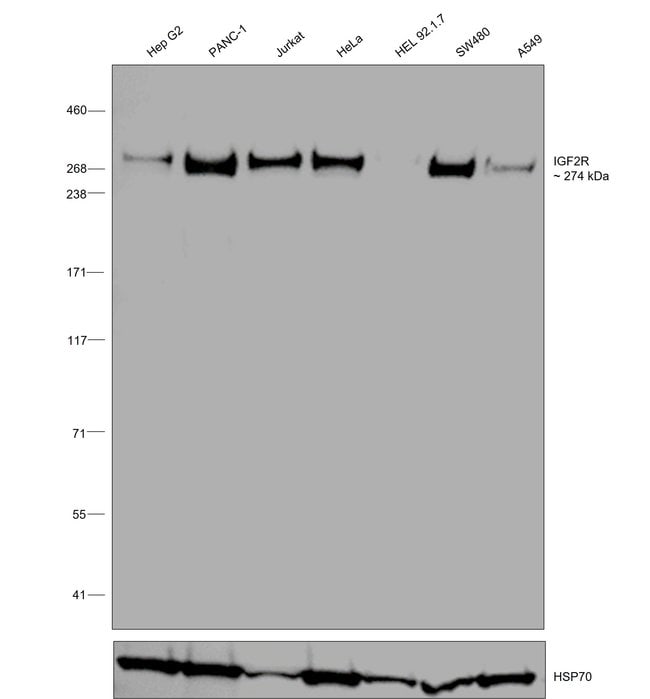
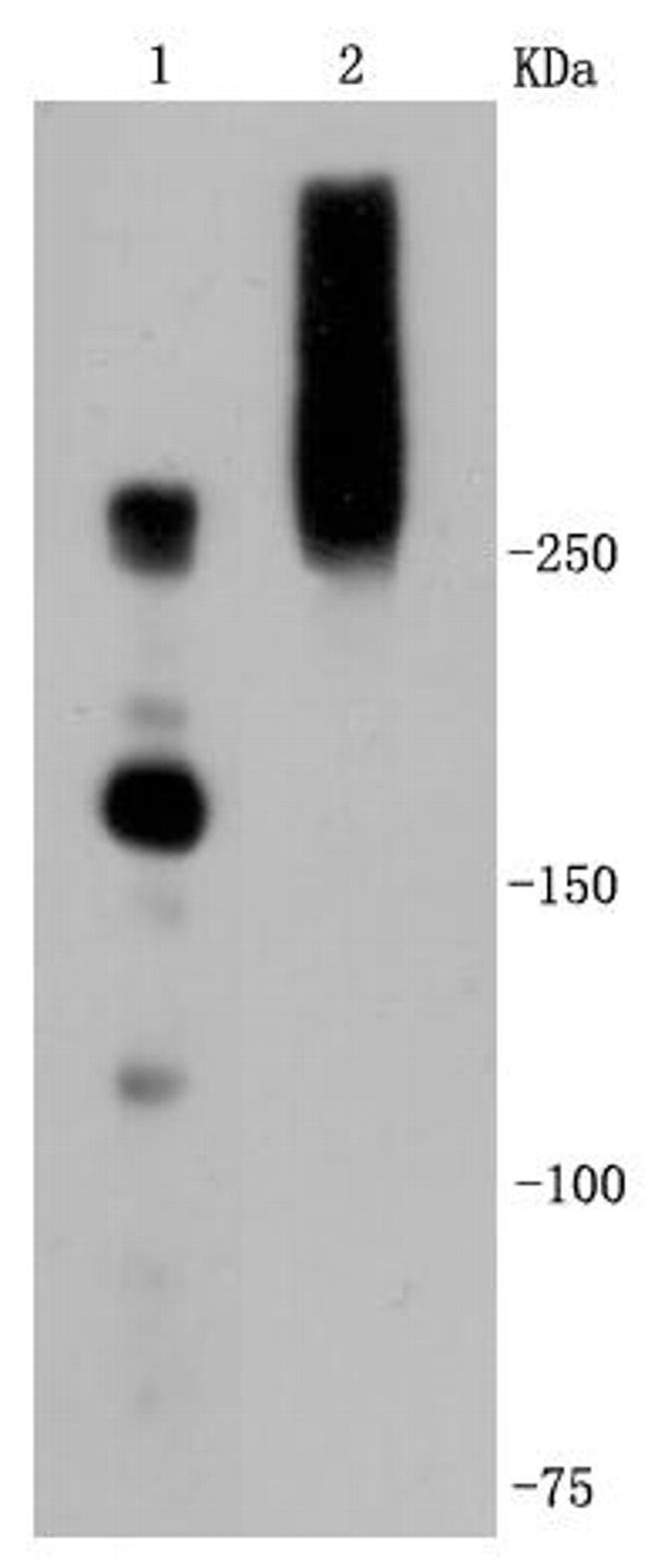
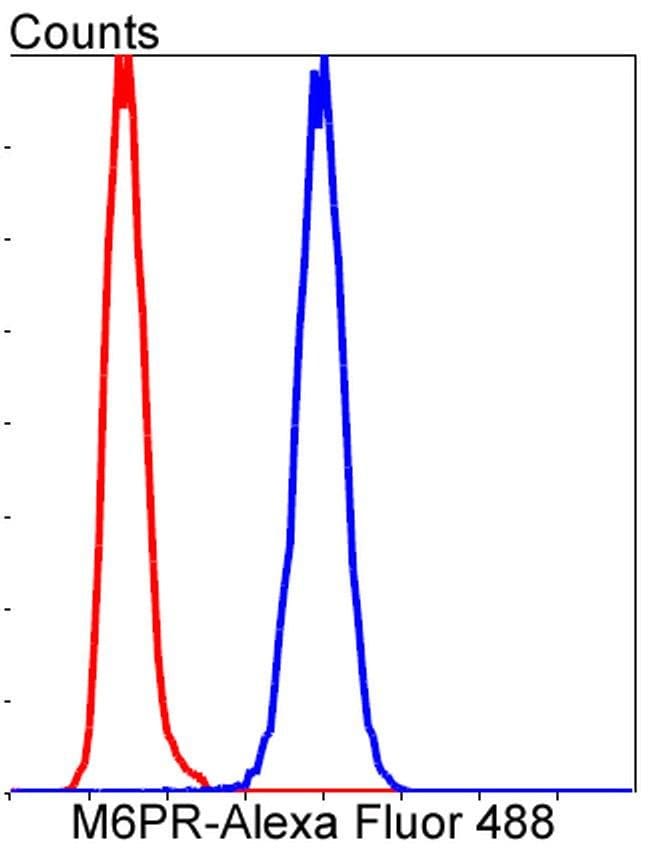
Invitrogen™ IGF2R Recombinant Rabbit Monoclonal Antibody (SR45-09)

Description
Recombinant rabbit monoclonal antibodies are produced using in vitro expression systems. The expression systems are developed by cloning in the specific antibody DNA sequences from immunoreactive rabbits. Then, individual clones are screened to select the best candidates for production. The advantages of using recombinant rabbit monoclonal antibodies include: better specificity and sensitivity, lot-to-lot consistency, animal origin-free formulations, and broader immunoreactivity to diverse targets due to larger rabbit immune repertoire.
Lysosomal enzymes containing one or two mannose 6-phosphate (man6P) moieties are moved about in the cell by two distinct but interconnected cycles by means of approximately 300 kDa cation independent mannose 6-phospate receptors (CI-MPR). The biosynthetic cycle refers to the MPR transport of newly synthesized lysosomal enzymes from the trans Golgi network to late endosomes or early lysosomes. The endocytic cycle transports extracellular lysosomal enzymes from the plasma membrane via clathrin-coated vesicles to early endosomes. The entire pool of MPRs cycles between these cellular compartments every 3 hours. The steady state distribution of MPR's is predominantly within late endosomes, fewer in the trans Golgi network and approximately 10 % at cell surface. In addition to its man6P binding activity, the MPR contains a separate binding site for the type II insulin-like growth factor and is capable of binding both man6P and IGF-II simultaneously. An approximately 240 kDa soluble, truncated form, representing the extracellular domain of the protein, has also been found circulating in serum and is capable of binding both ligands.
Spécifications
Spécifications
| Antigène | IGF2R |
| Applications | Flow Cytometry, Immunohistochemistry (Paraffin), Western Blot, Immunocytochemistry, Western Blot |
| Classification | Recombinant Monoclonal |
| Clone | SR45-09 |
| Concentration | 1 mg/mL |
| Conjugué | Unconjugated |
| Formule | TBS with 0.05% BSA, 40% Glycerol and 0.05% sodium azide; pH 7.4 |
| Gène | IGF2R |
| Numéro d’acquisition du gène | P11717, Q07113 |
| Alias du gène | 300 kDa mannose 6-phosphate receptor; AI661837; cation-independent mannose 6-phosphate receptor; cation-independent mannose 6-phosphate receptor protein; cation-independent mannose-6-phosphate receptor; cation-independent MPR; CD222; CI Man-6-P receptor; CI-M6PR; CIMPR; CI-MPR; Igf2r; IGF-II receptor; IGF-II/CI-MPR; Igfr2; insulin like growth factor 2 receptor; insulin-like growth factor 2 receptor; Insulin-like growth factor II receptor; insulin-like growth factor receptor type 2; M6P; M6P/IGF2 receptor; M6P/IGF2R; M6PR; M6P-R; mannose-6-phosphate receptor, cation independent; mannose-6-phosphate/insulin-like growth factor II receptor; MPR 300; MPR1; MPR300; MPRI; similar to mannose-6-phosphate/insulin-like growth factor II receptor |
| Afficher plus de résultats |