missing translation for 'onlineSavingsMsg'
Learn More
Learn More
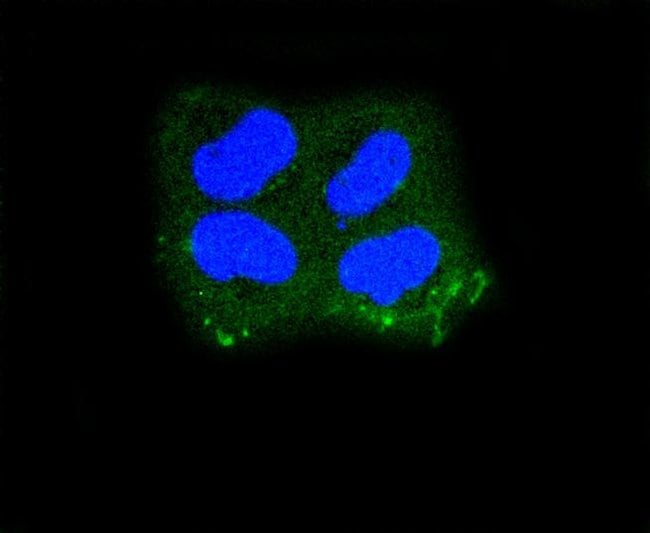
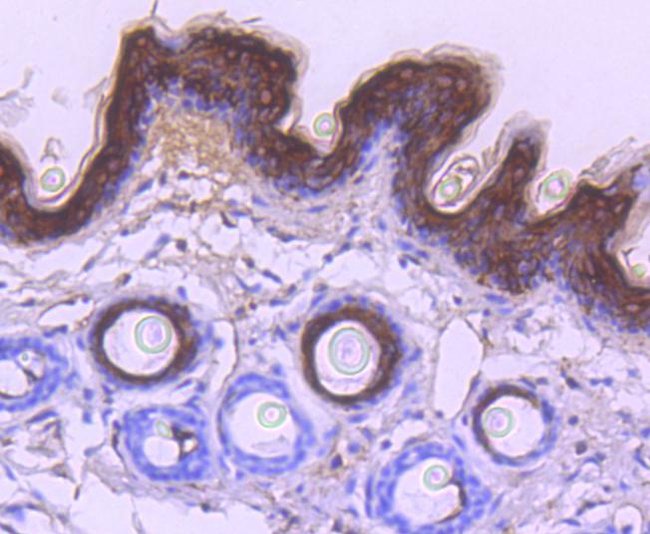
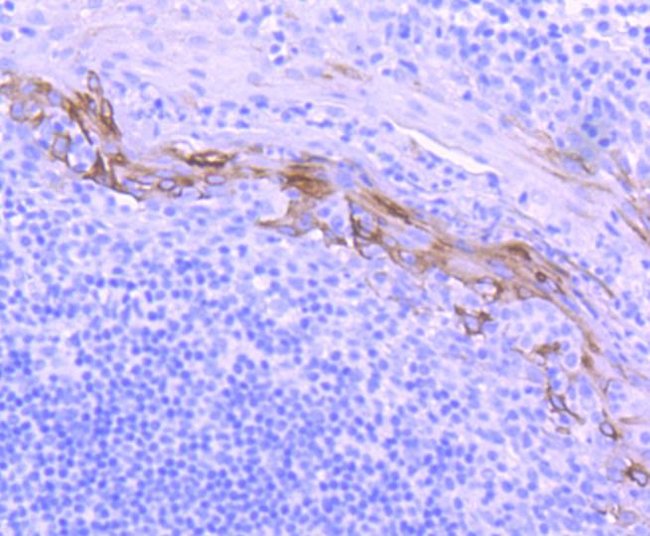
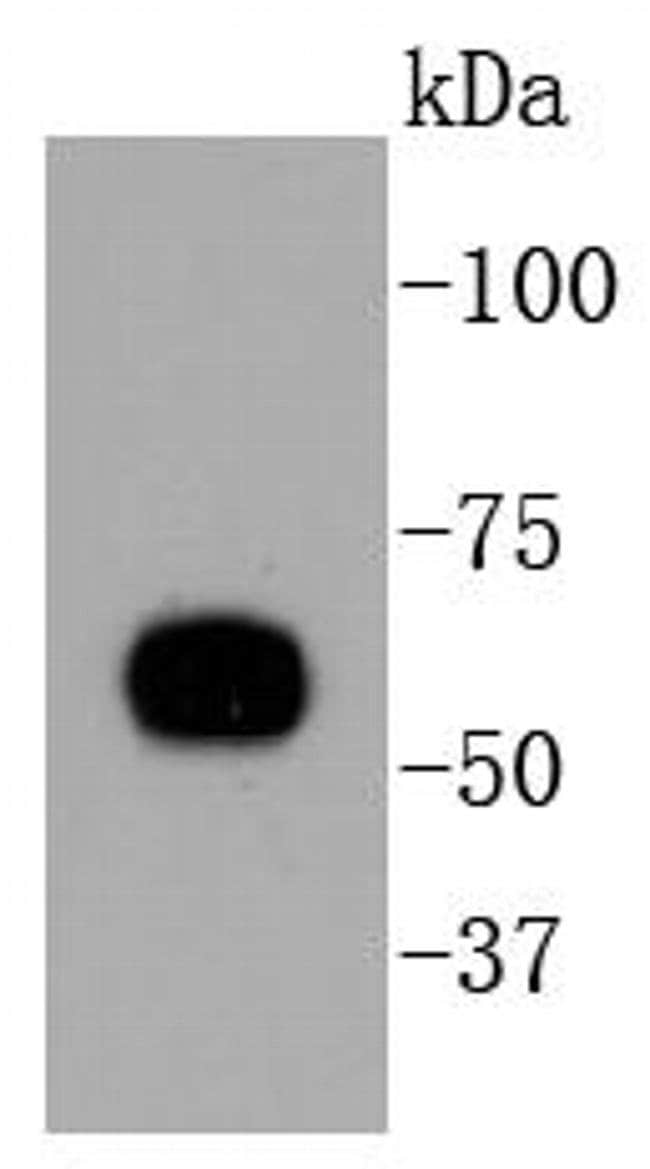
Invitrogen™ Cytokeratin 10 Recombinant Rabbit Monoclonal Antibody (ST05-43)

Description
Recombinant rabbit monoclonal antibodies are produced using in vitro expression systems. The expression systems are developed by cloning in the specific antibody DNA sequences from immunoreactive rabbits. Then, individual clones are screened to select the best candidates for production. The advantages of using recombinant rabbit monoclonal antibodies include: better specificity and sensitivity, lot-to-lot consistency, animal origin-free formulations, and broader immunoreactivity to diverse targets due to larger rabbit immune repertoire.
Cytokeratins (CK) are intermediate filaments of epithelial cells, both in keratinizing tissue (i.e., skin) and non-keratinizing cells (i.e. mesothelial cells). Although not a traditional marker for endothelial cells, cytokeratins have also been found in some microvascular endothelial cells. At least 20 different cytokeratins (CK) in the molecular range of 40-70 kDa and isoelectric points of 5-8. 5 can be identified using two dimensional gel electrophoresis. Biochemically, most members of the CK family fall into one of two classes, type I (acidic polypeptides) and type II (basic polypeptides). At least one member of the acidic family and one member of the basic family is expressed in all epithelial cells. Monoclonal antibodies to cytokeratin proteins can be useful markers for tumor identification and classification.
Spécifications
Spécifications
| Antigène | Cytokeratin 10 |
| Applications | Immunohistochemistry (Paraffin), Western Blot, Immunocytochemistry, Western Blot |
| Classification | Recombinant Monoclonal |
| Clone | ST05-43 |
| Concentration | 1 mg/mL |
| Conjugué | Unconjugated |
| Formule | TBS with 0.05% BSA, 40% Glycerol and 0.05% sodium azide; pH 7.4 |
| Gène | KRT10 |
| Numéro d’acquisition du gène | P02535, P13645, Q6IFW6 |
| Alias du gène | 56 kDa cytokeratin; BCIE; BIE; CK10; CK-10; CK-17; cytokeratin 10; cytokeratin-10; cytokeratin-17; D130054E02Rik; EHK; epidermal keratin 10; epithelial keratin 10; intermediate filament protein; K10; K1C1; Ka10; Ker10; keratin 10; keratin 10 (epidermolytic hyperkeratosis; keratosis palmaris et plantaris); keratin 10, type I; keratin complex 1, acidic, gene 10; keratin, type I cytoskeletal 10; Keratin, type I cytoskeletal 59 kDa; keratin-10; keratin-17; KPP; Krt-1.10; KRT10; krt10 {ECO:0000250; Krt1-10; suprabasal cytokeratin 10; type I keratin KA10; UniProtKB:P13645} |
| Afficher plus de résultats |