missing translation for 'onlineSavingsMsg'
Learn More
Learn More


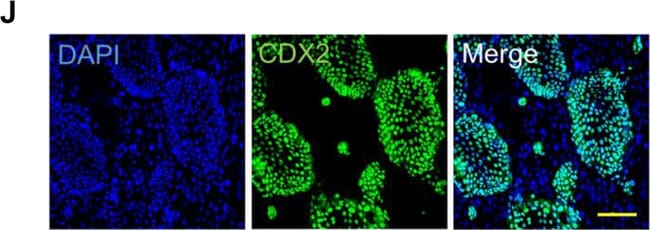
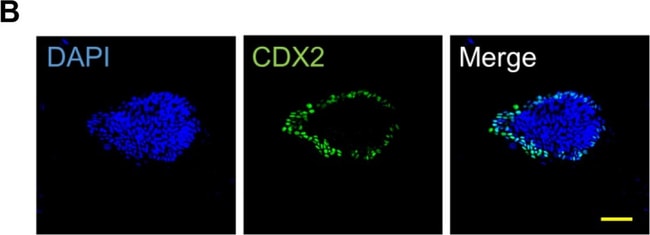

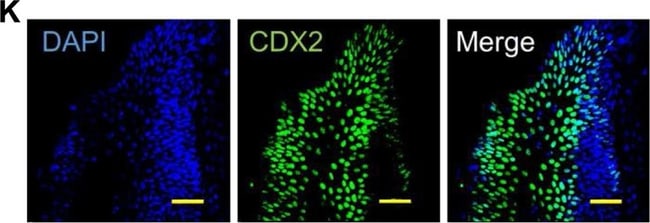
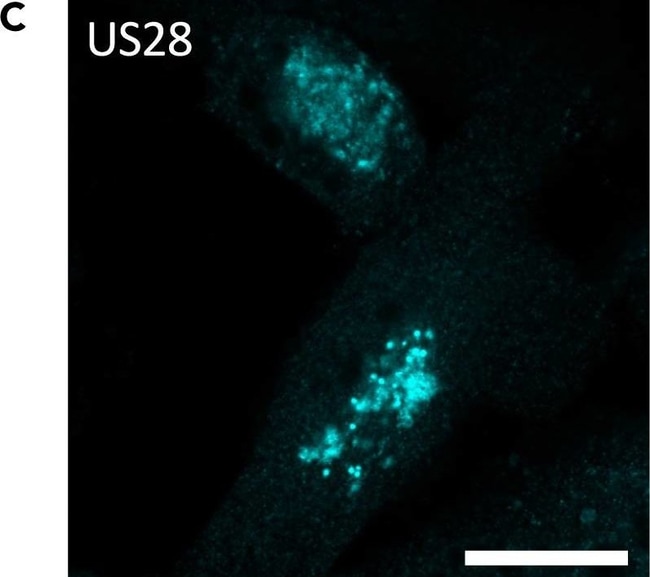
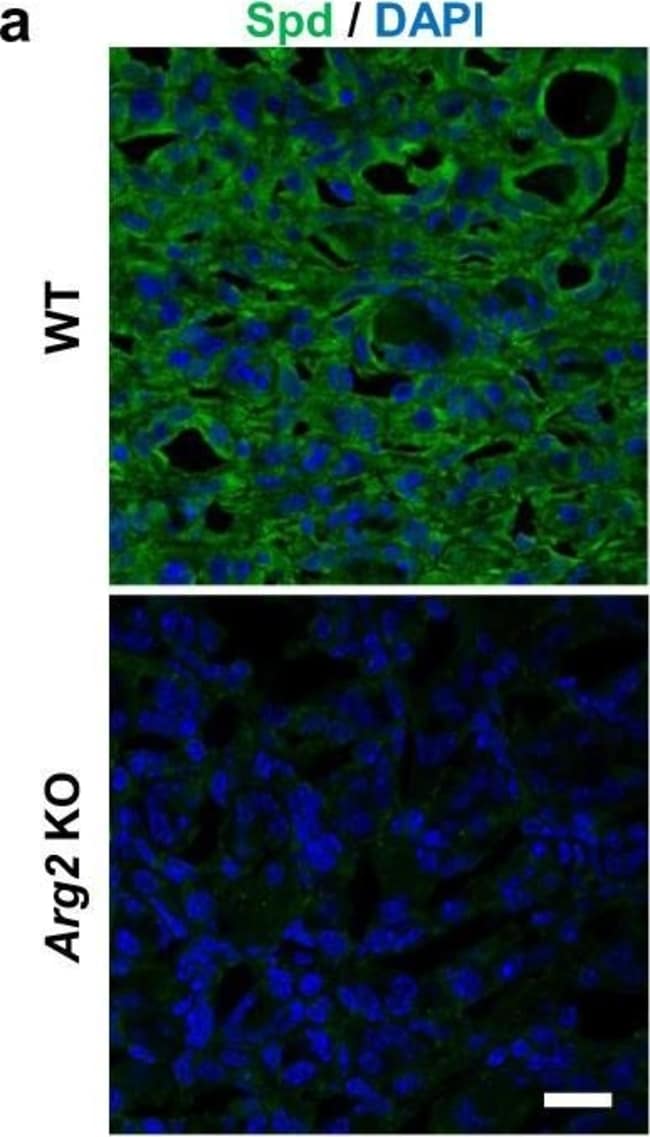
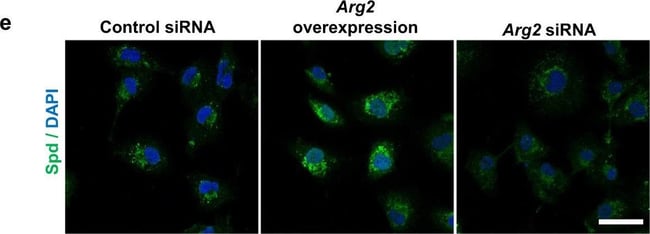
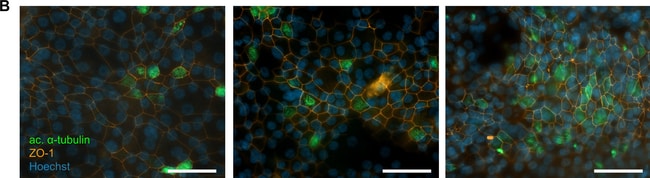
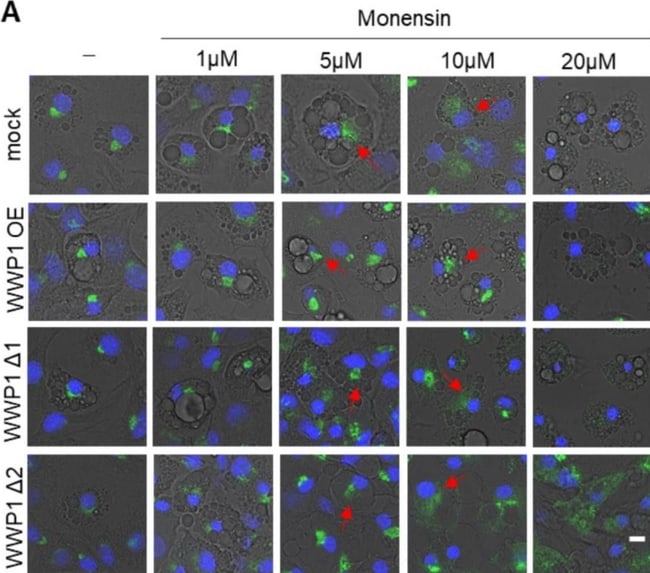
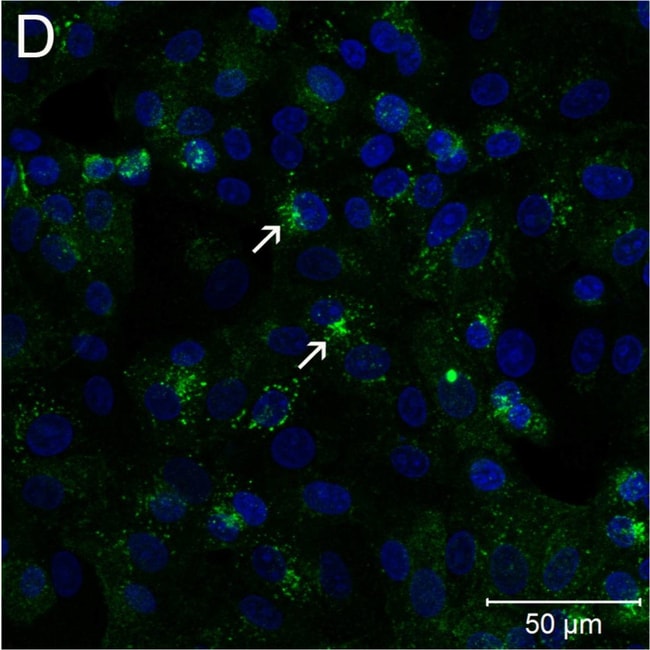

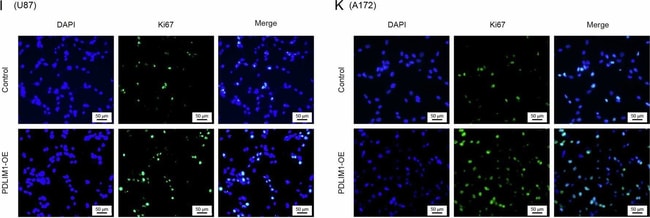
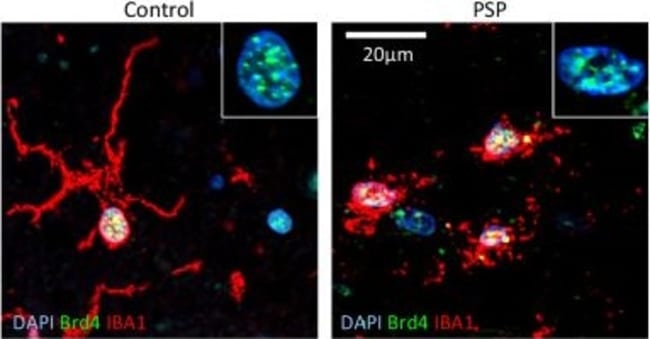
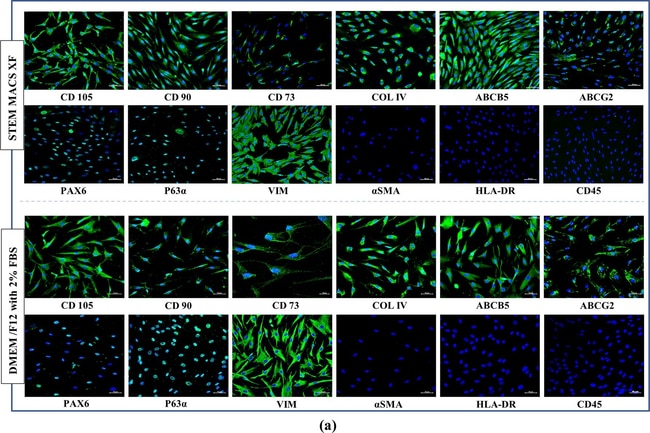

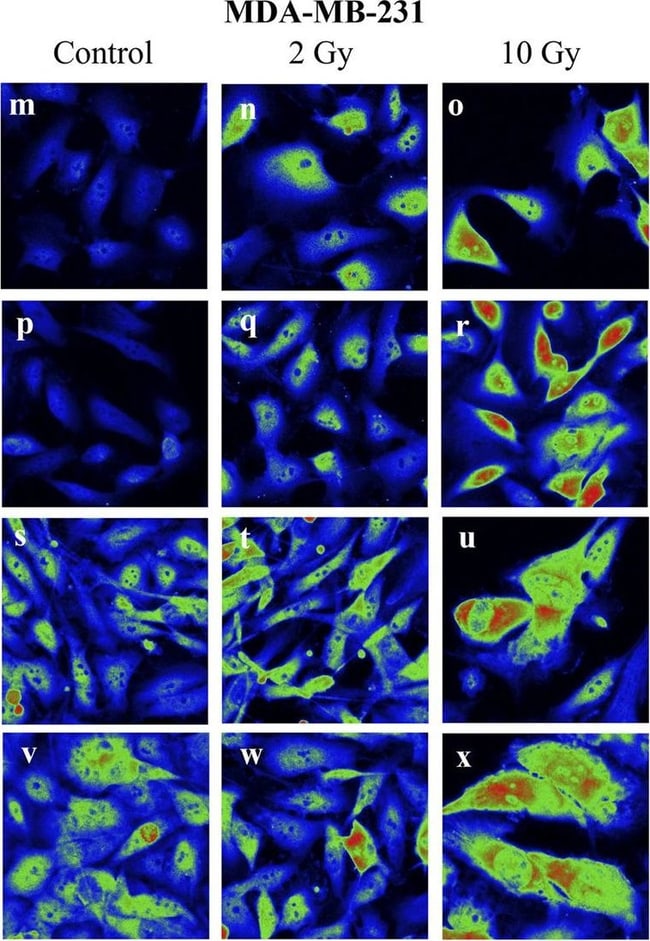
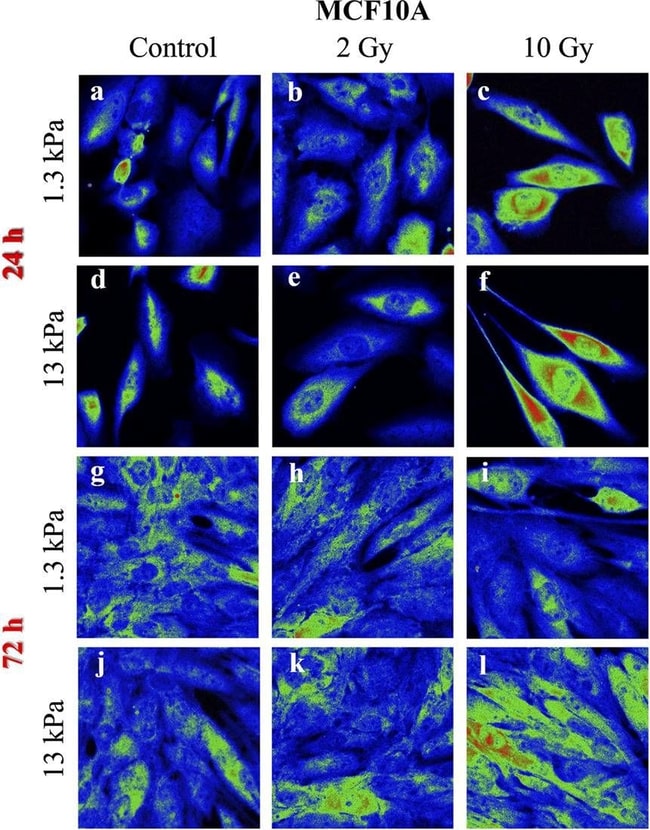
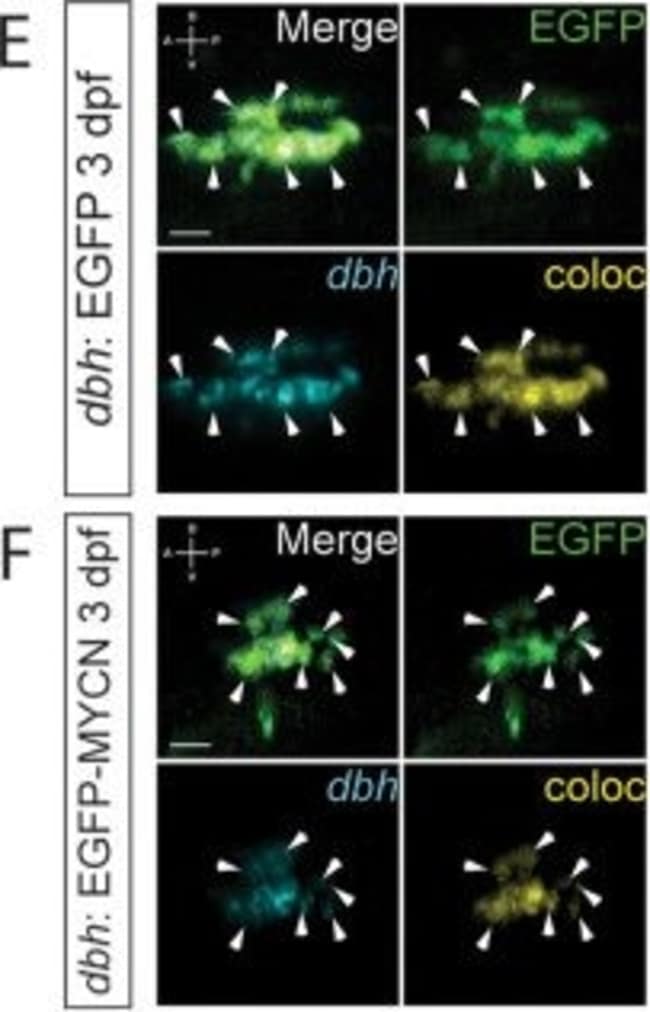
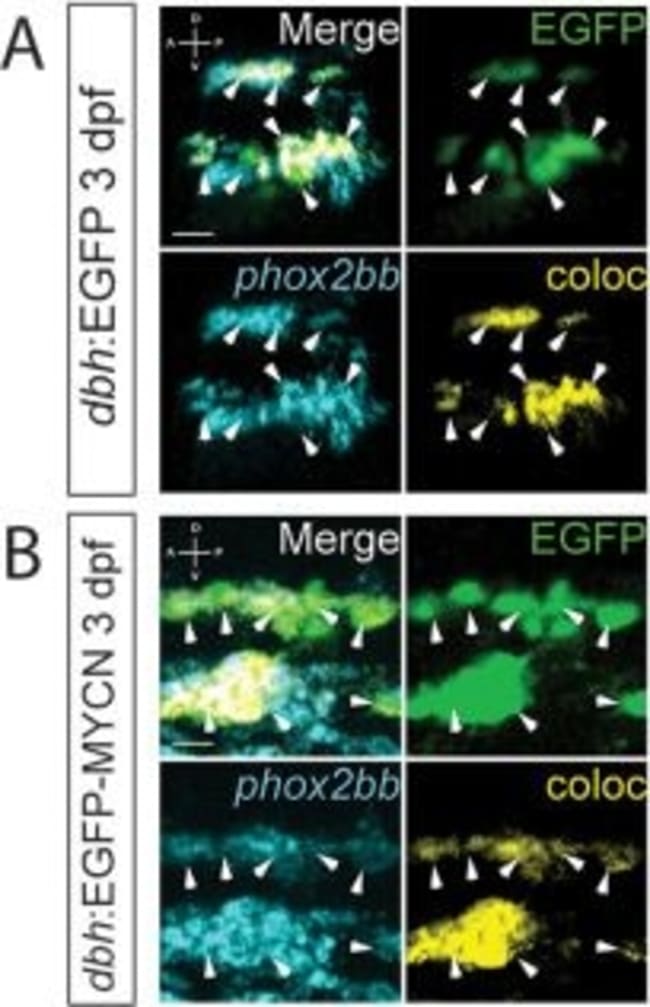

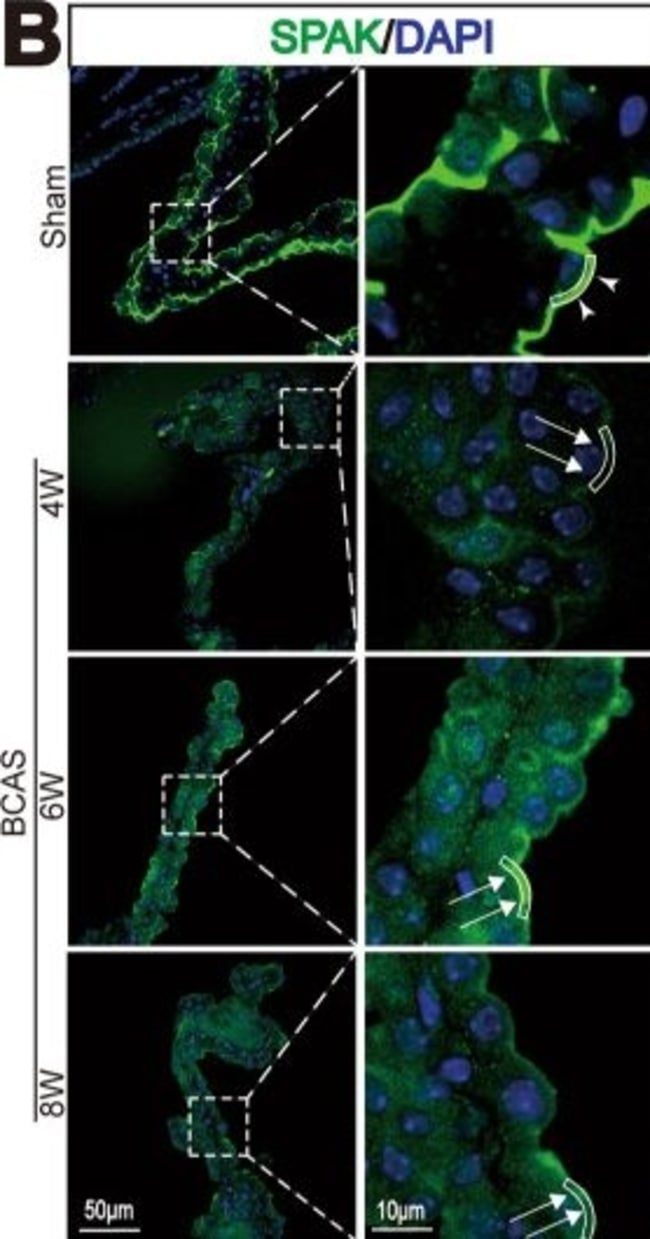
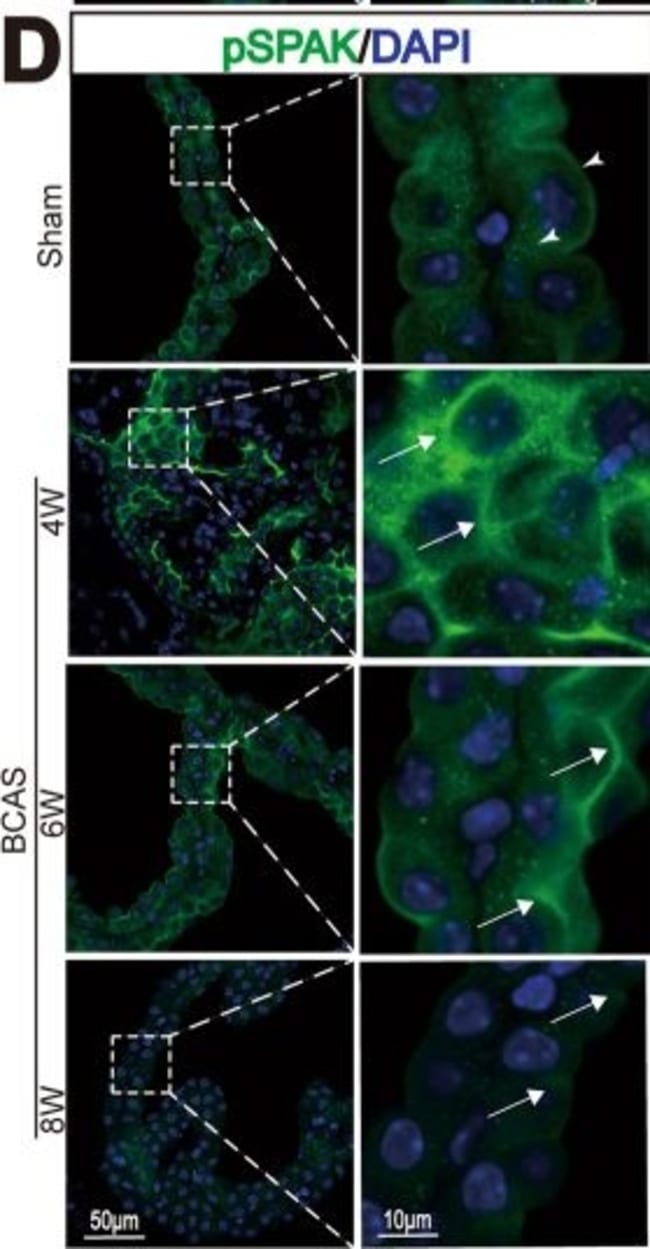
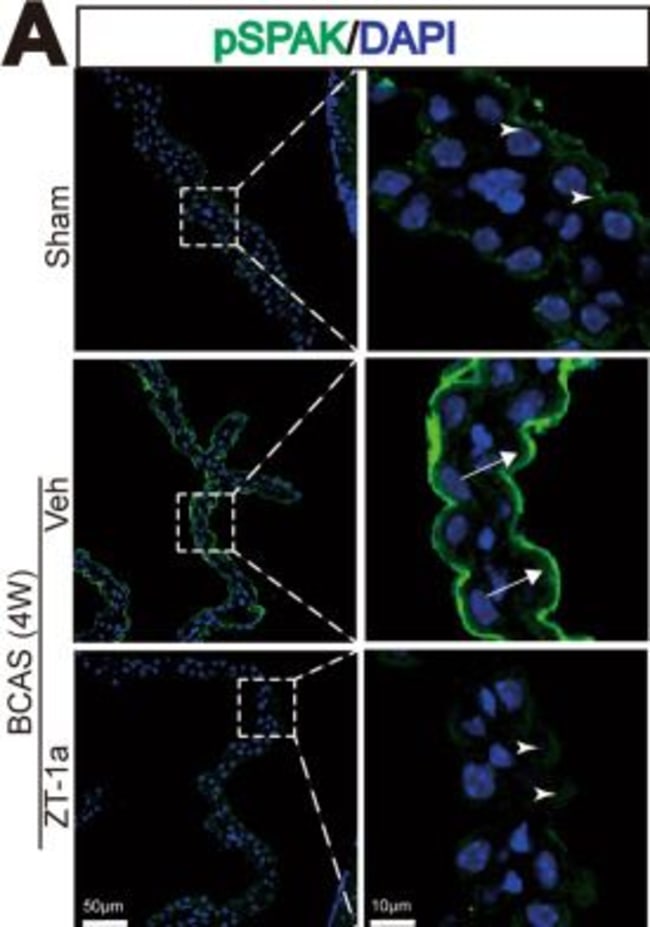
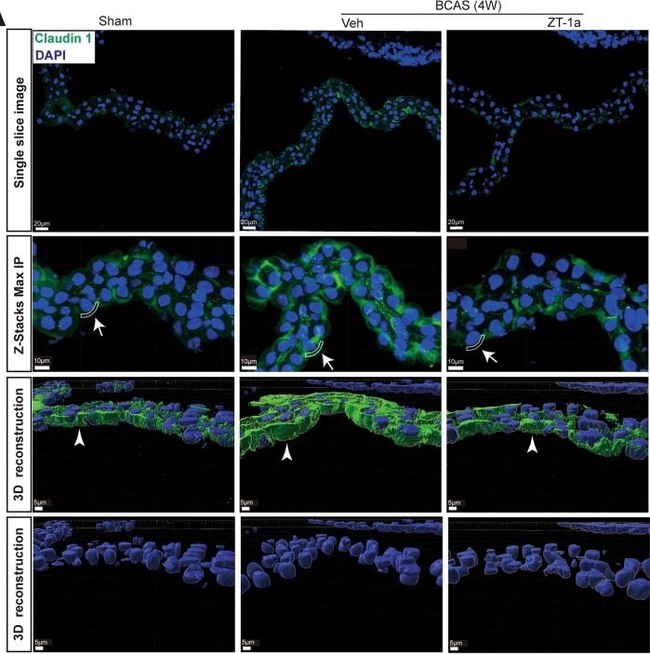


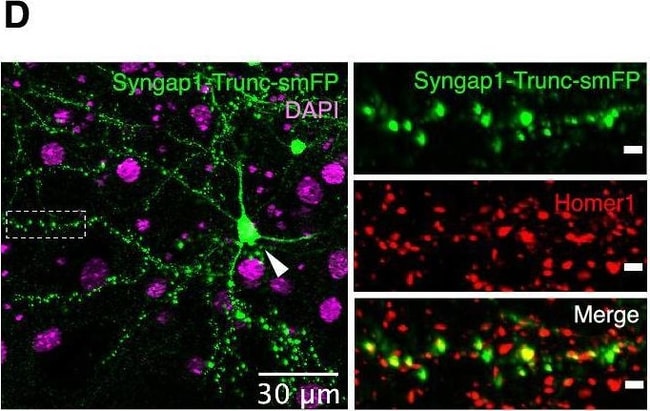
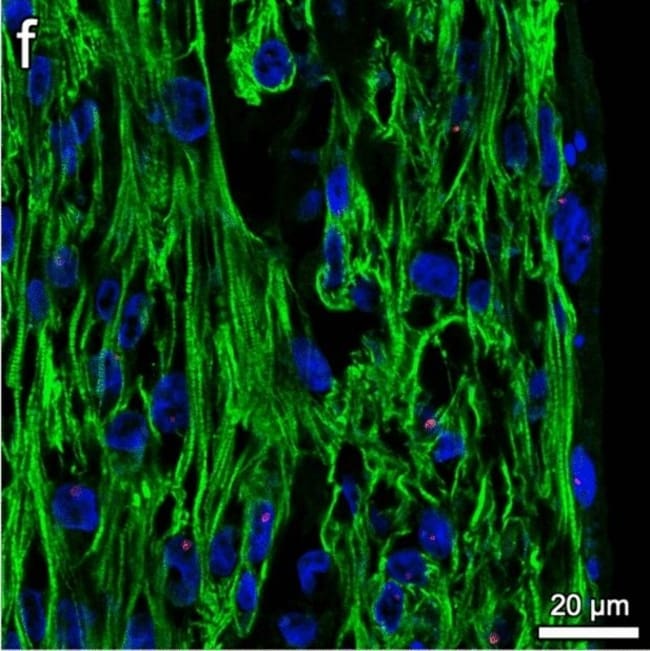
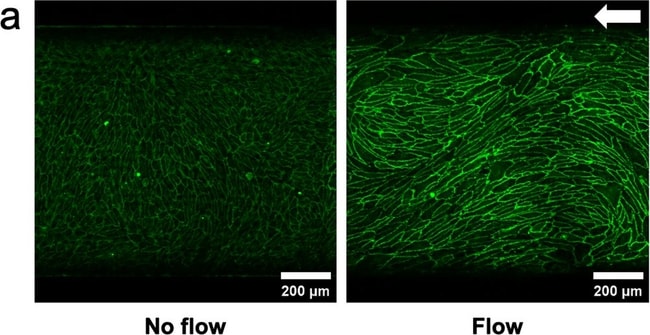

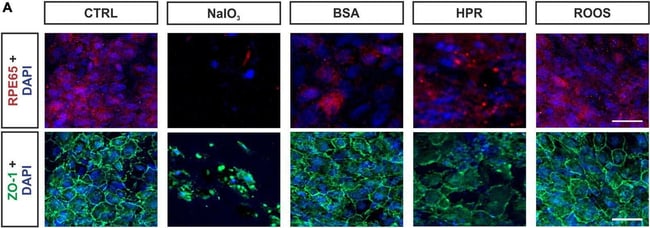

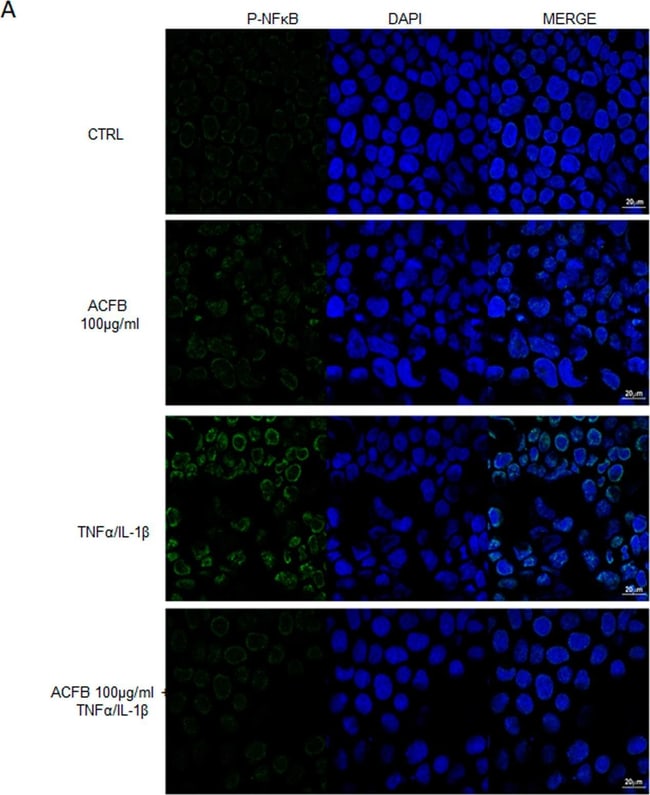

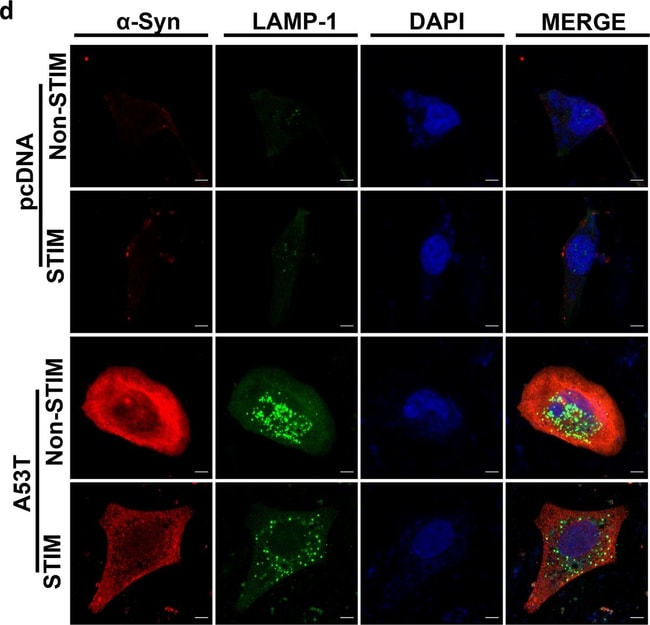

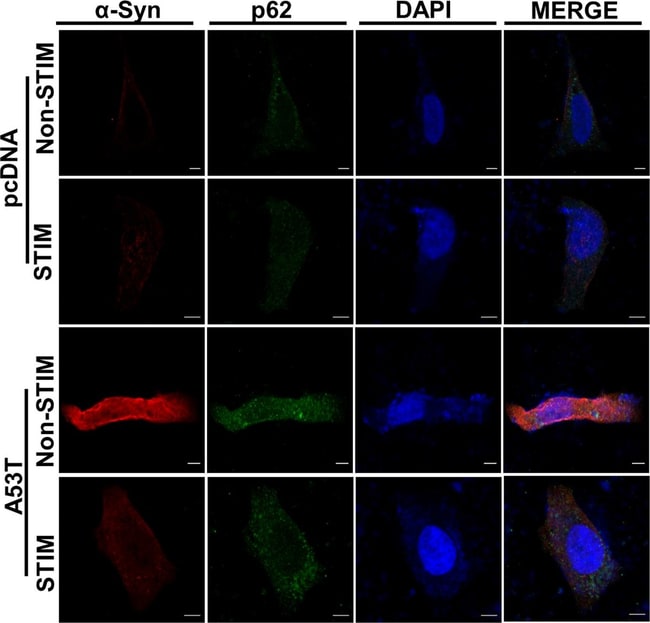


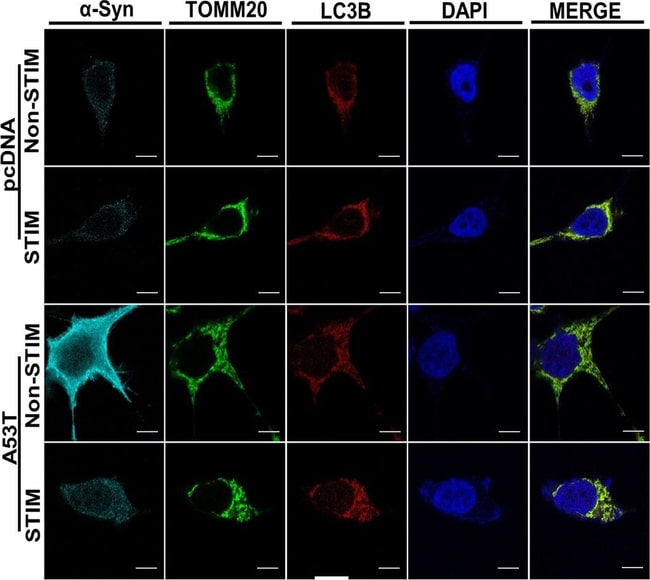
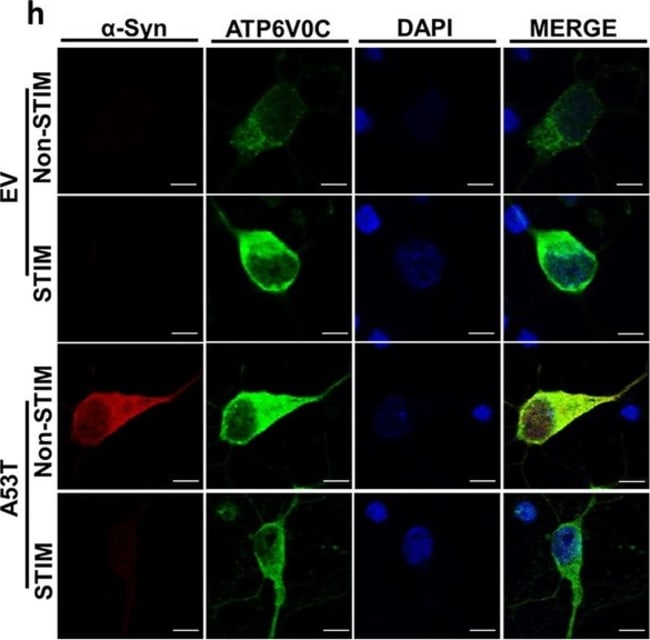
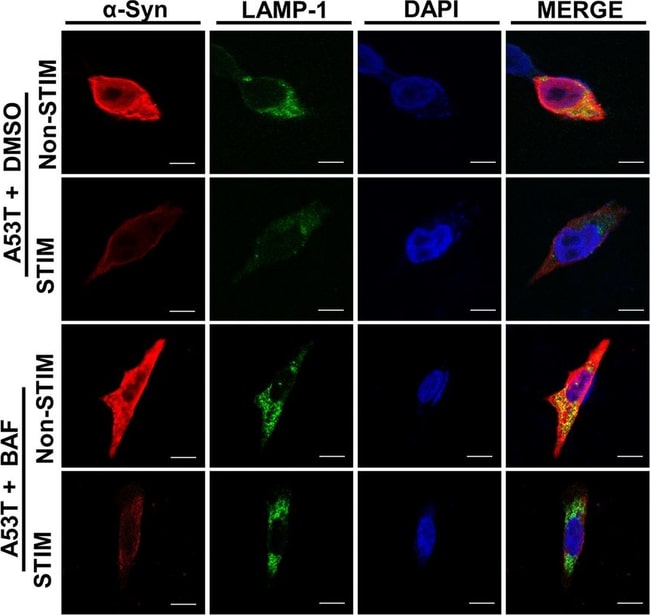
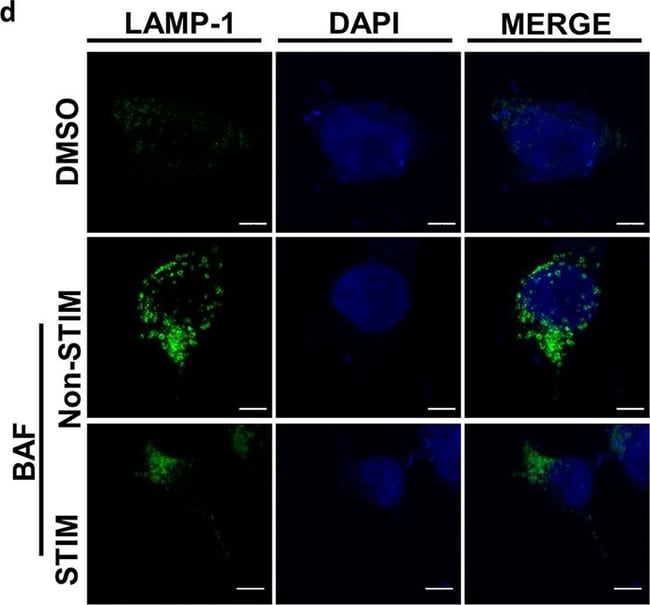
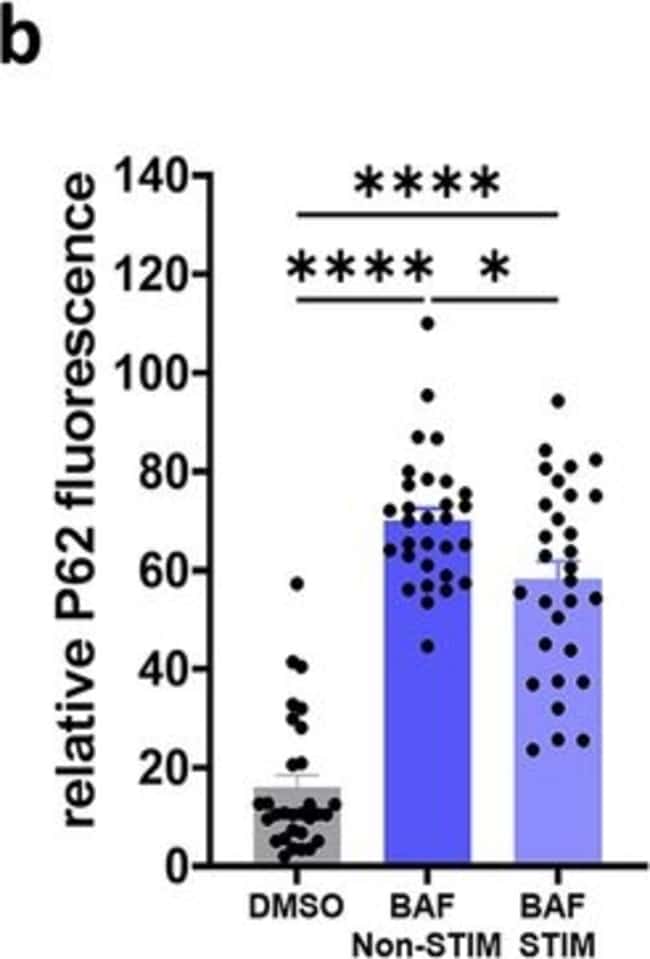
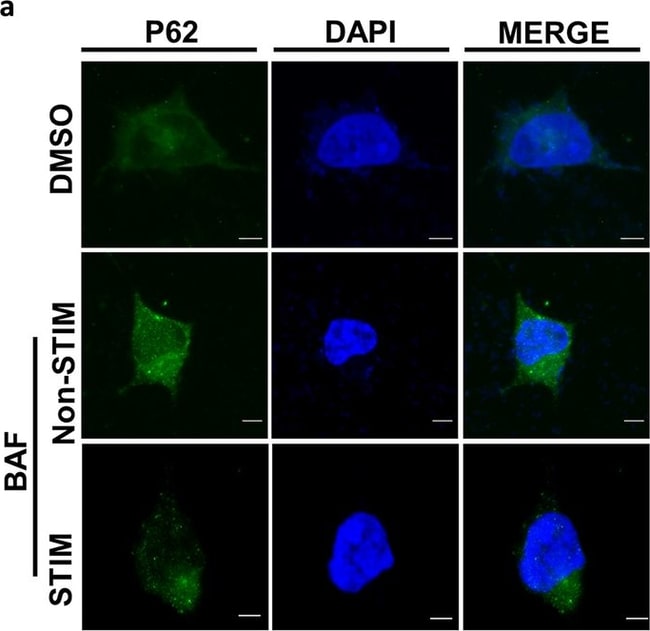
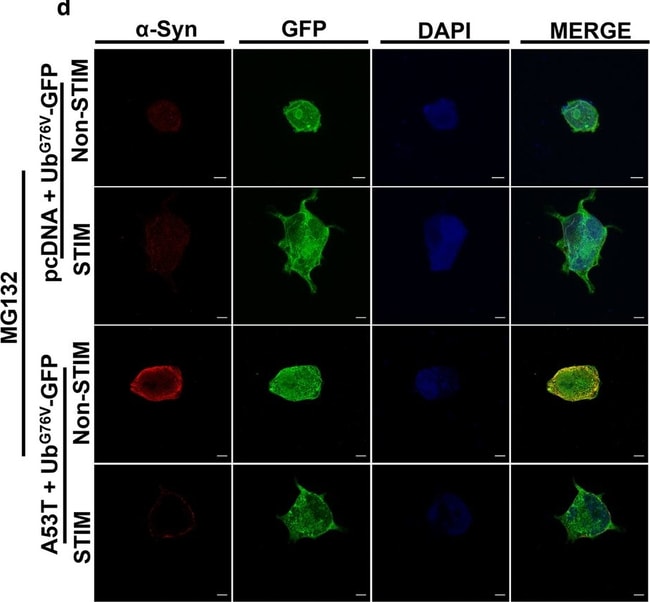
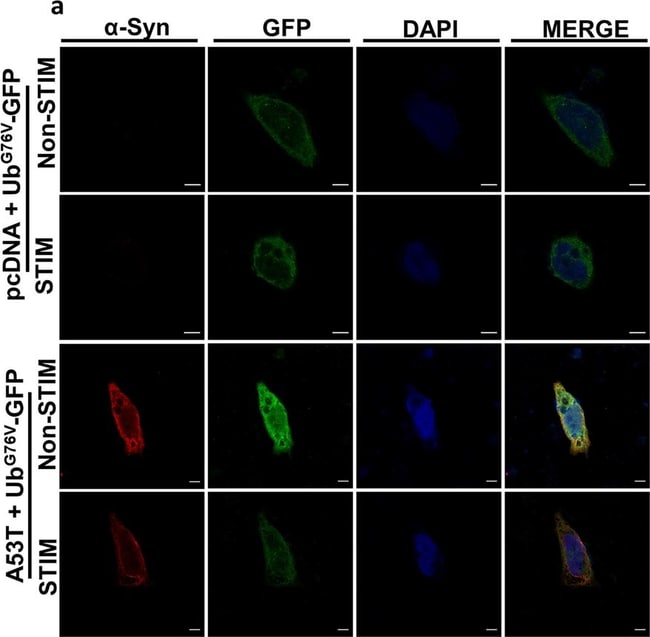
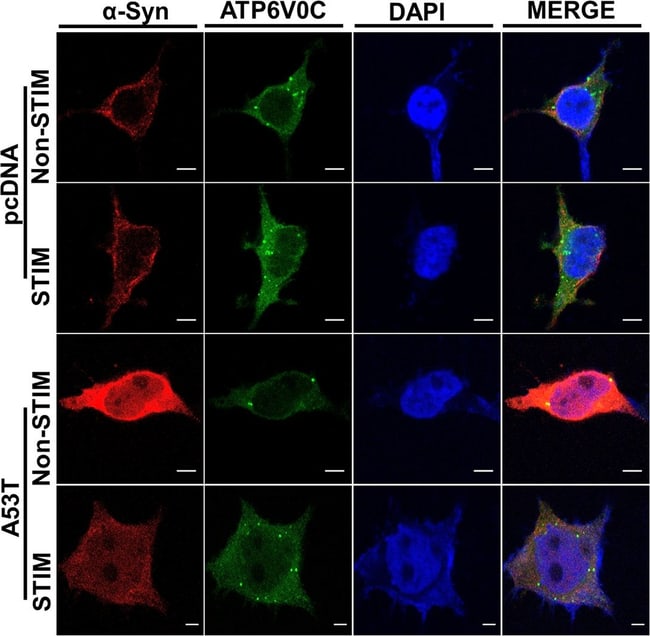
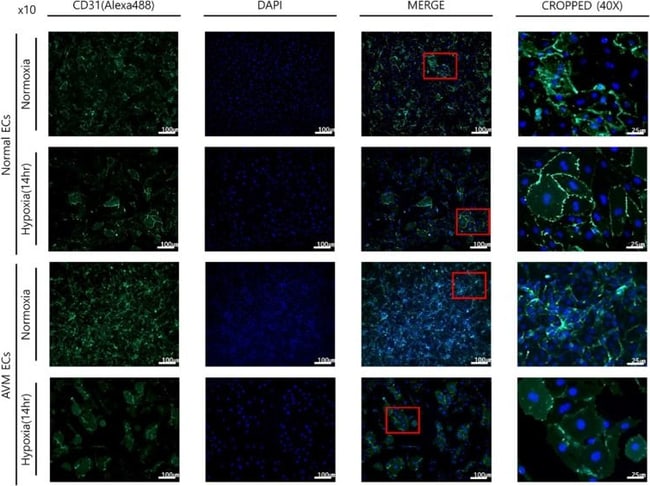
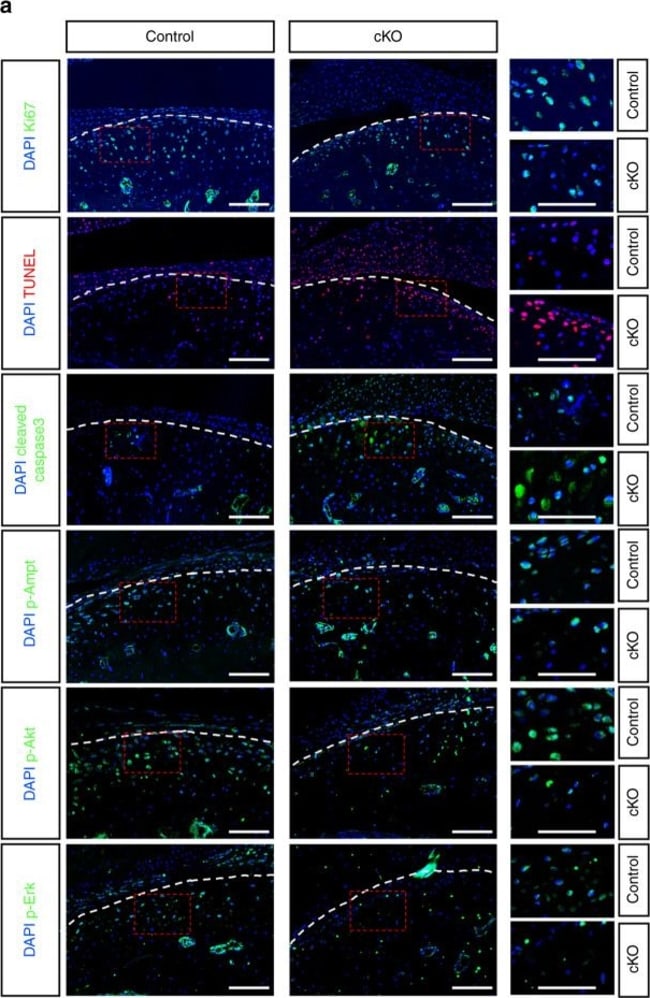
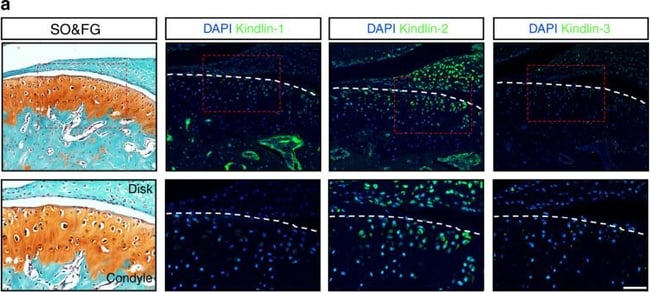
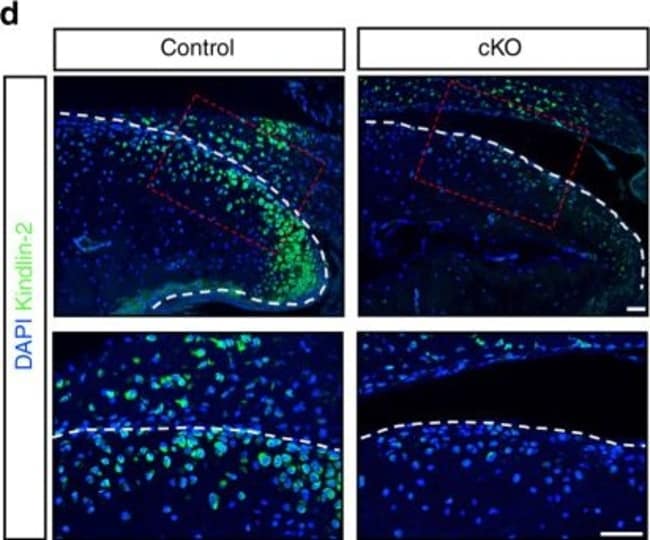
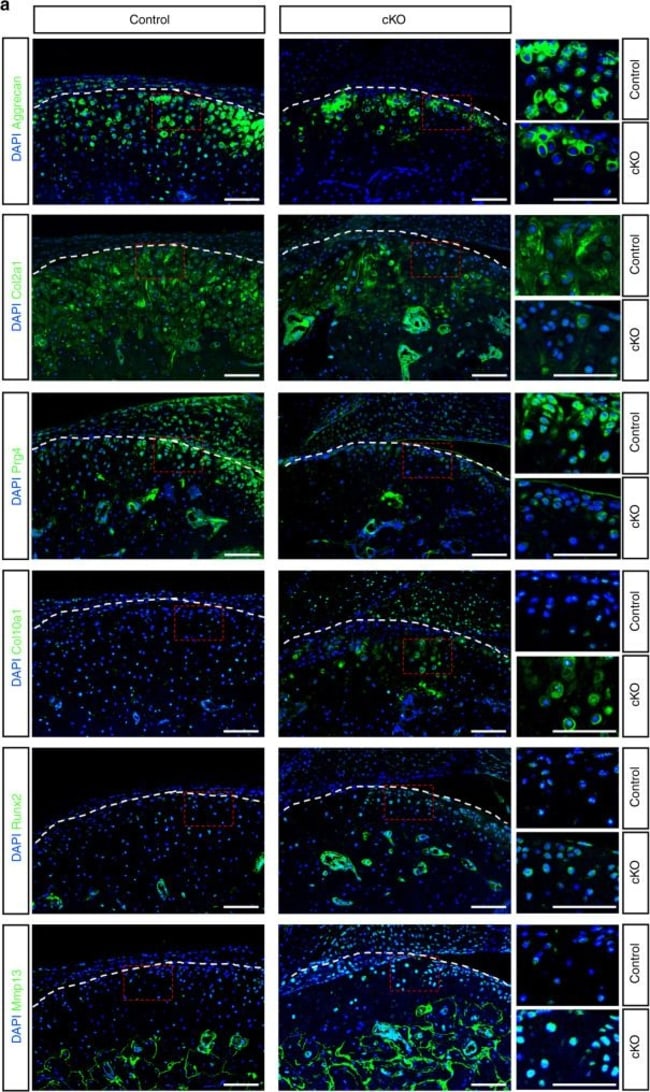
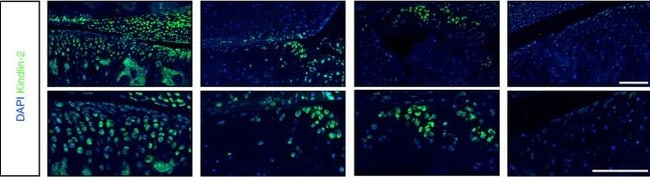
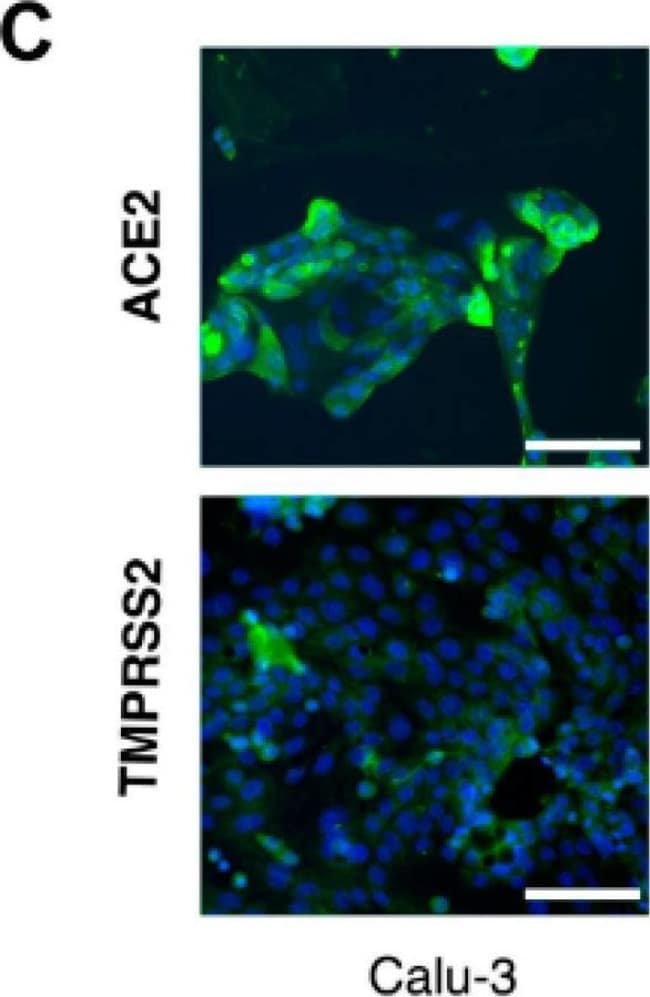
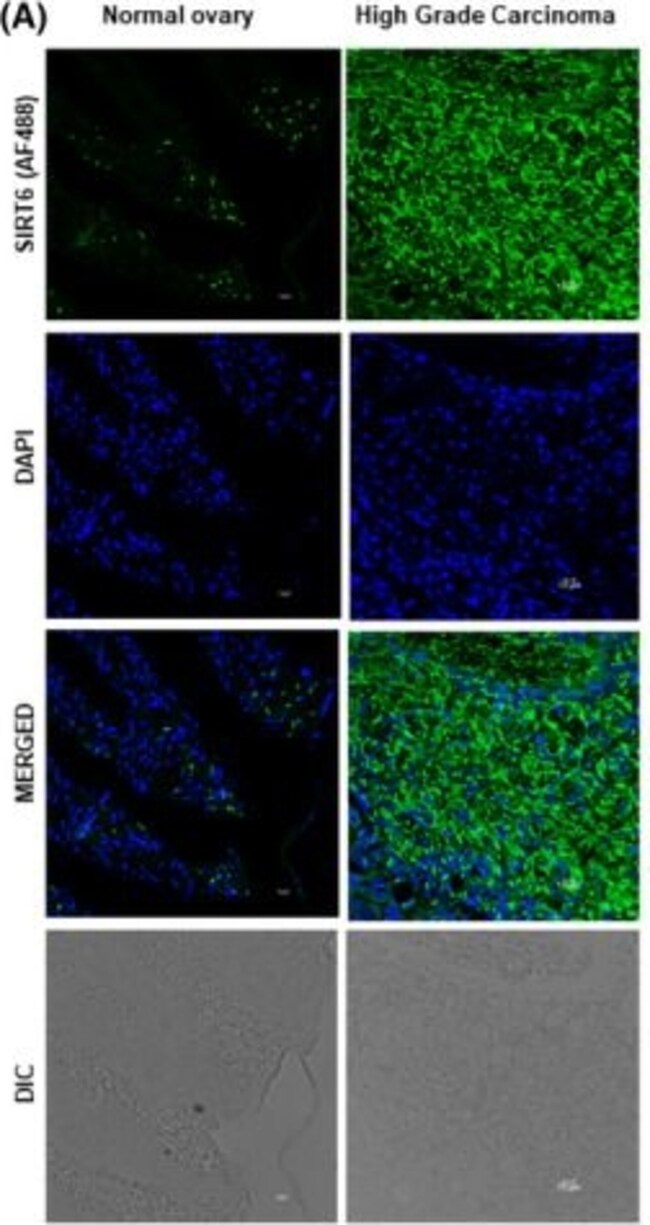
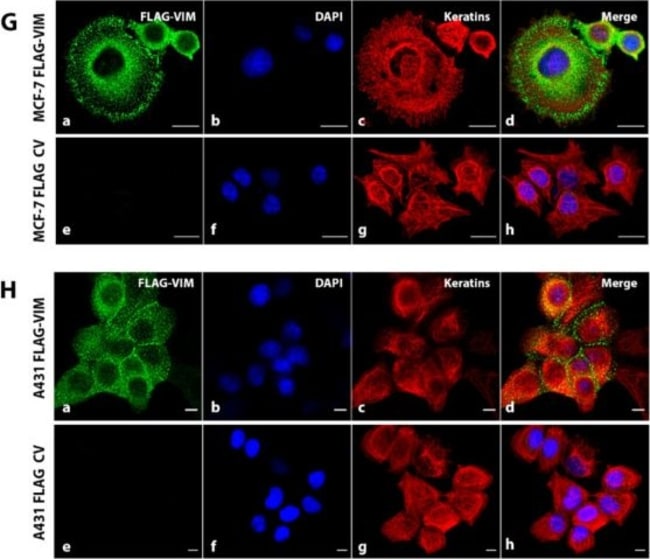
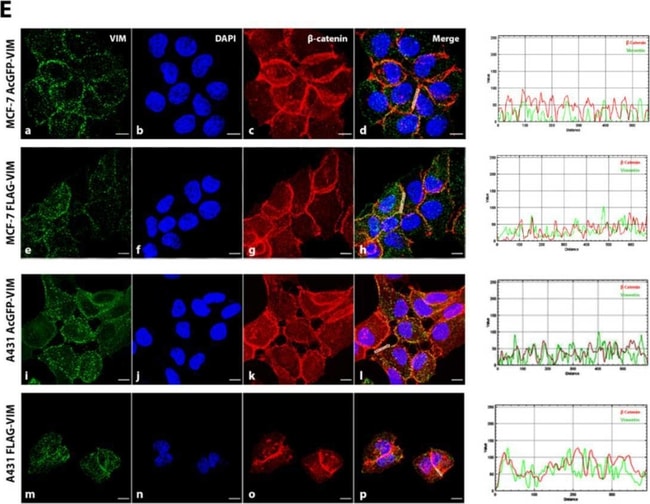
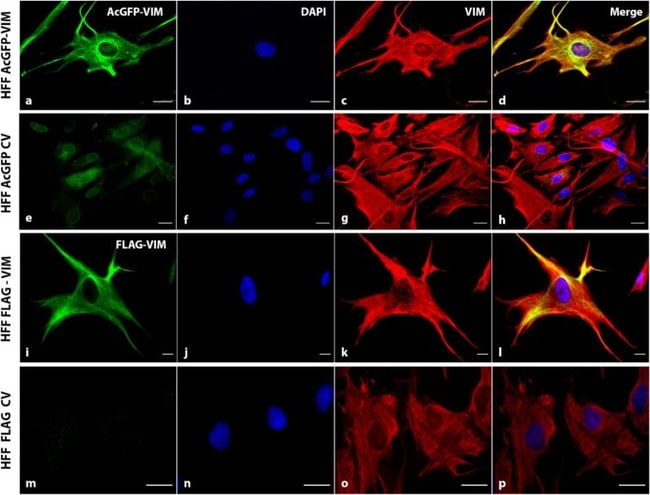
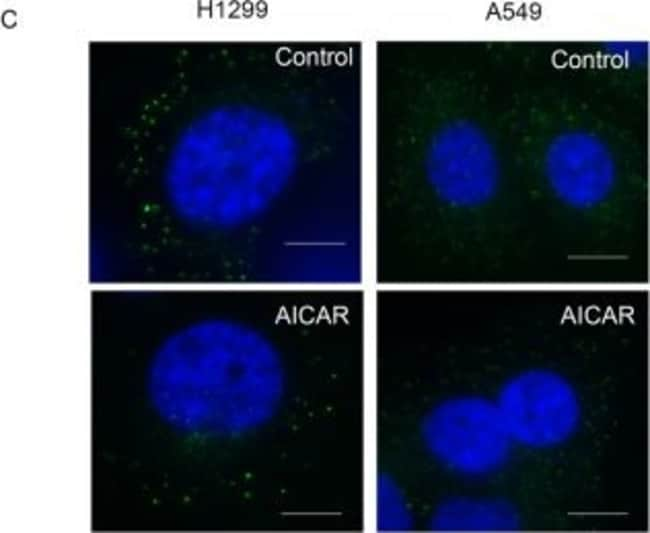
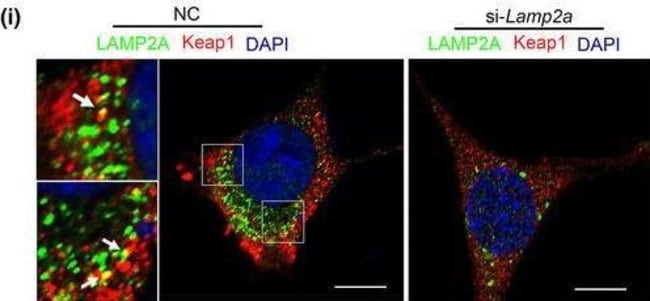
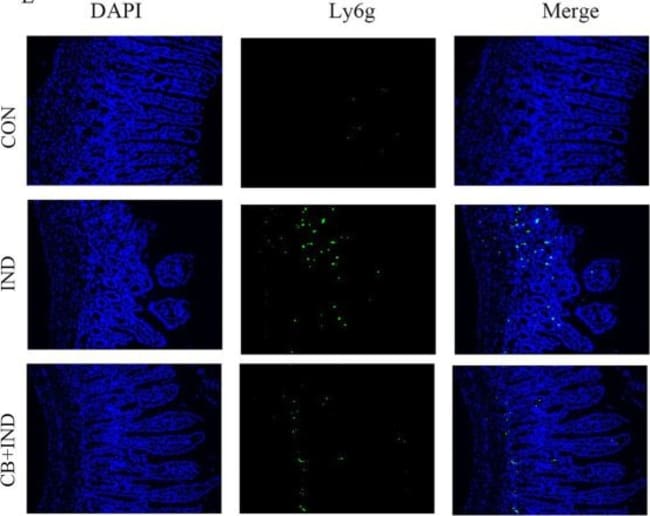
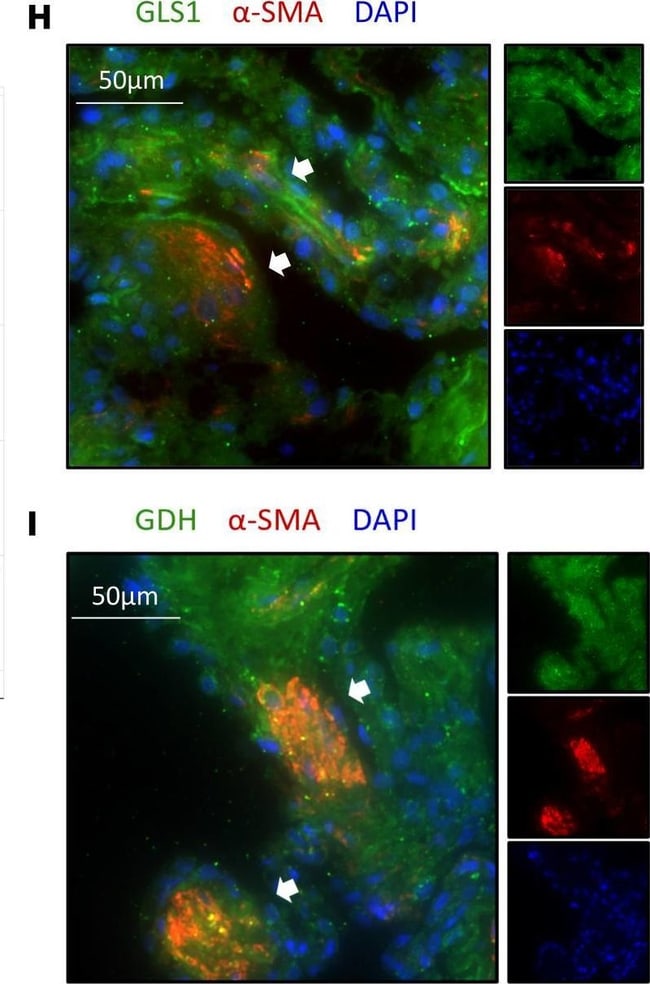
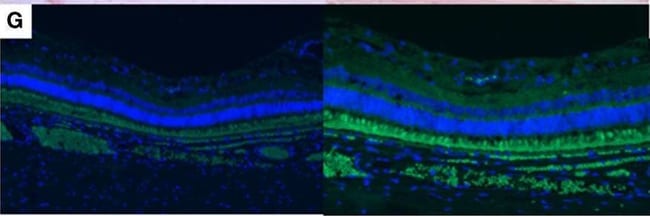
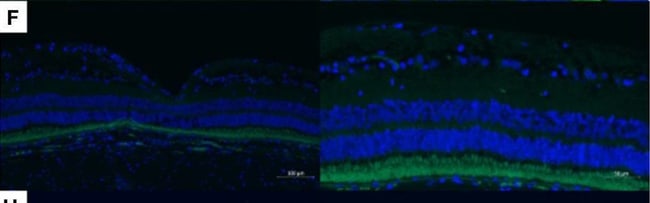
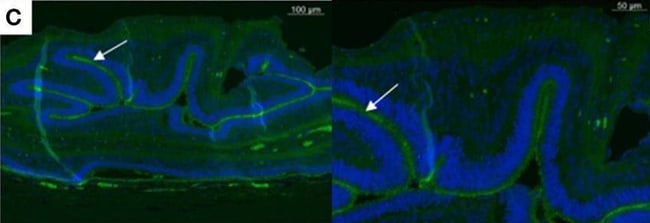
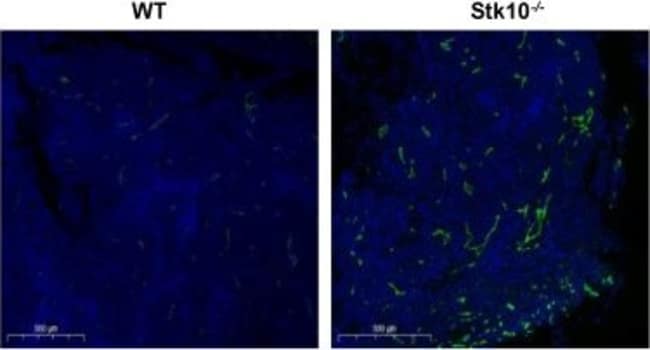
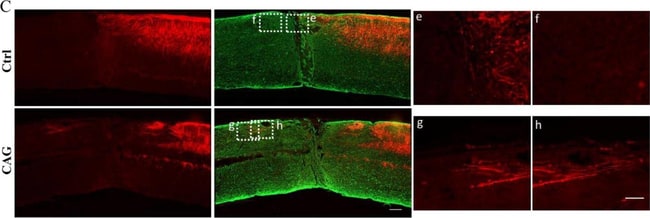
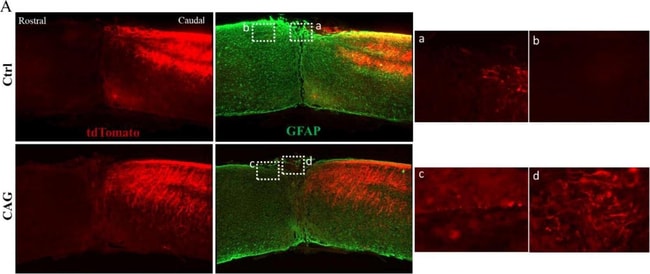
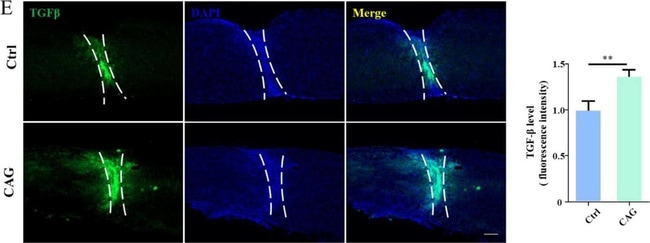
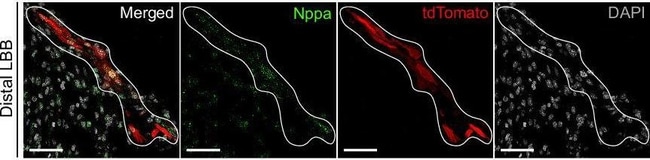

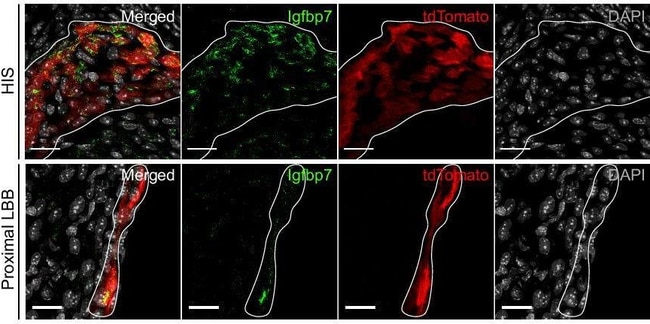

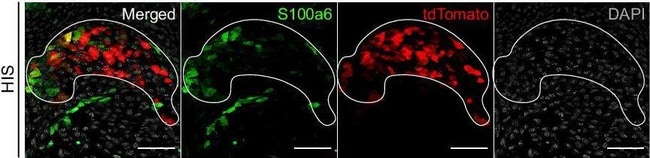

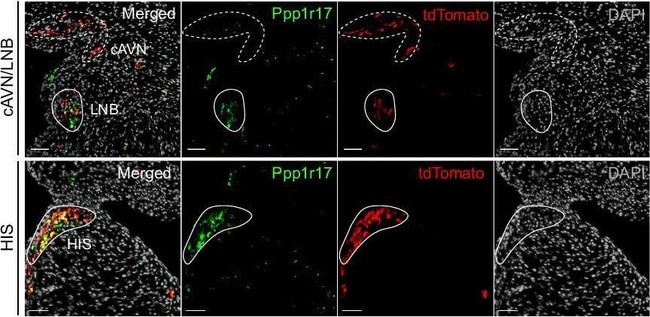
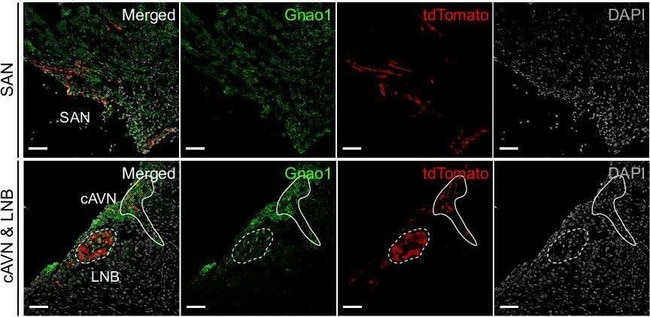
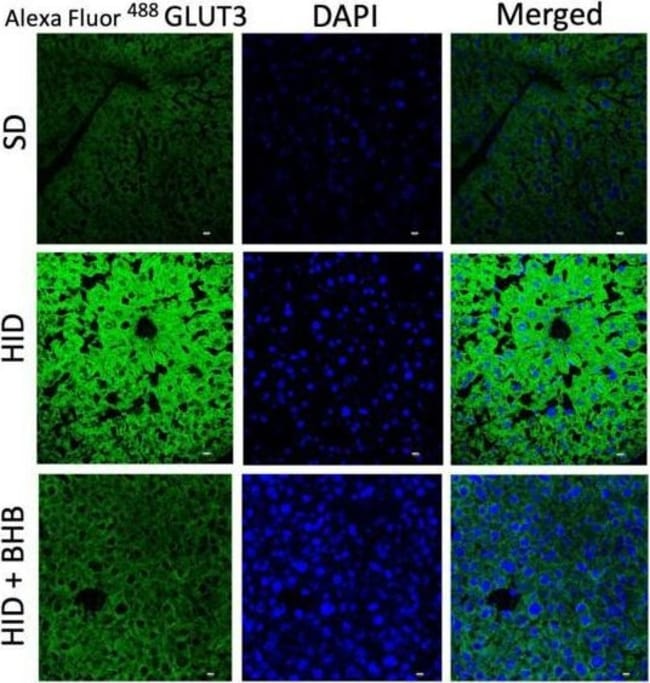
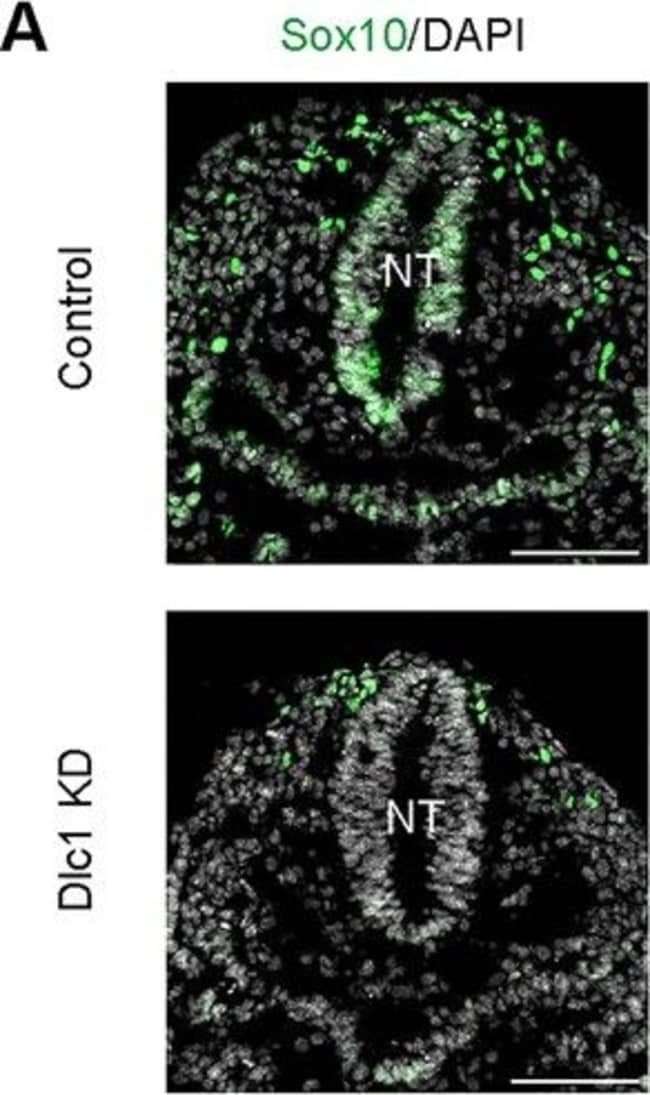
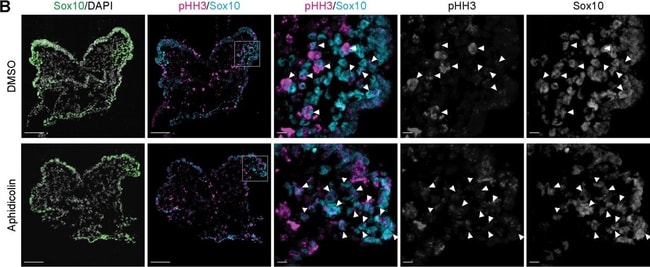
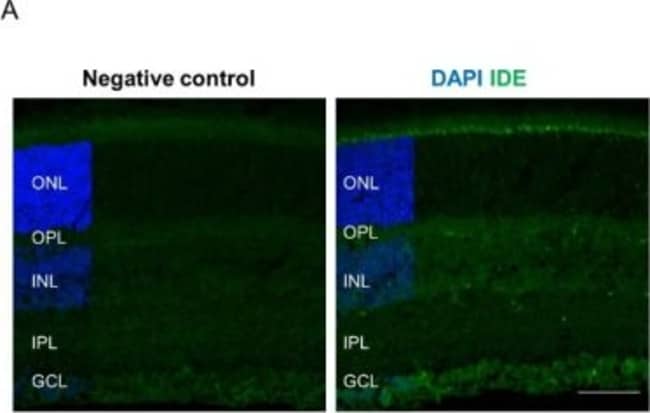
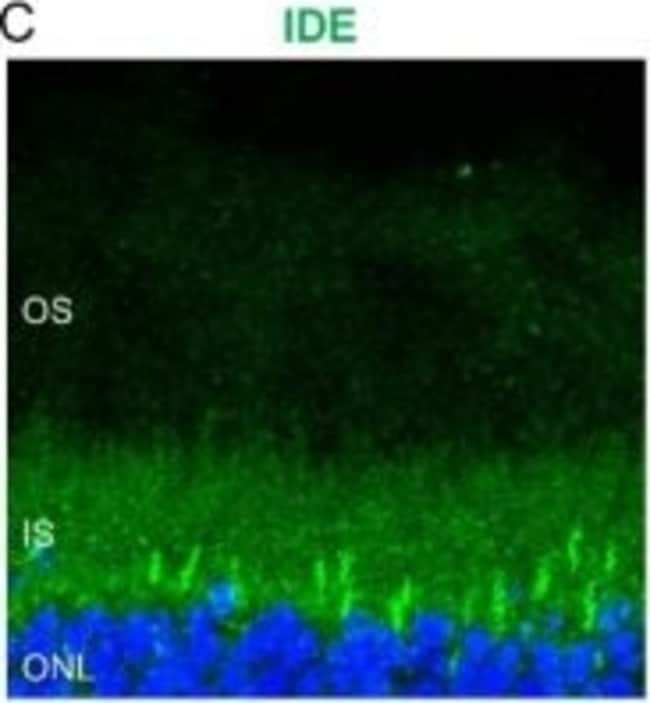
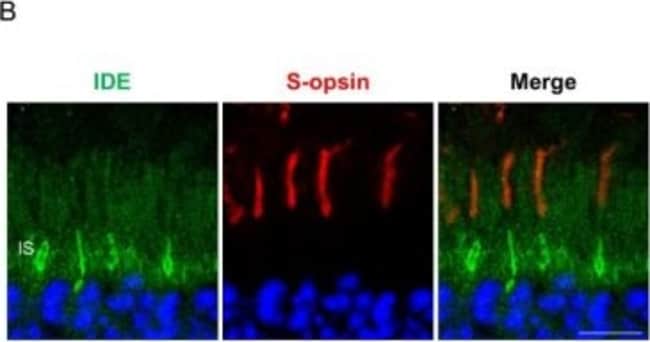
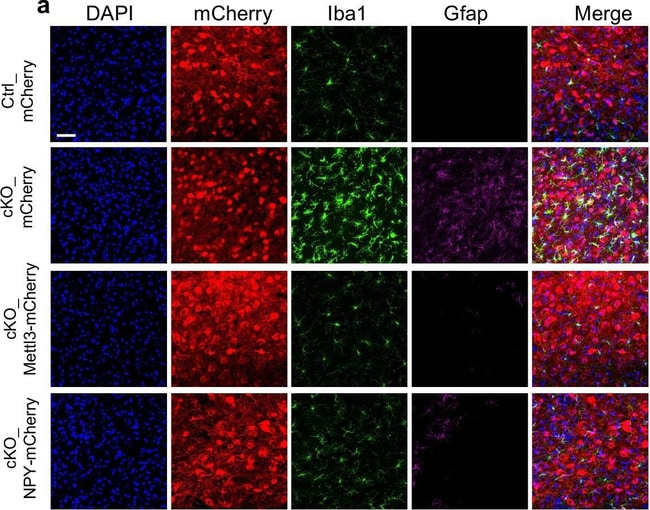
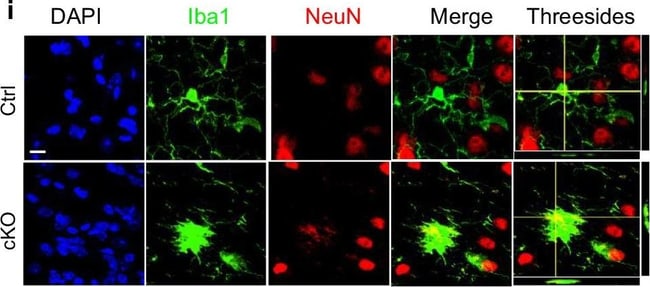
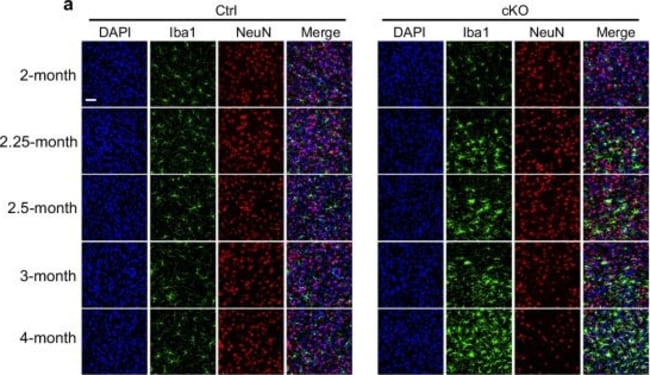
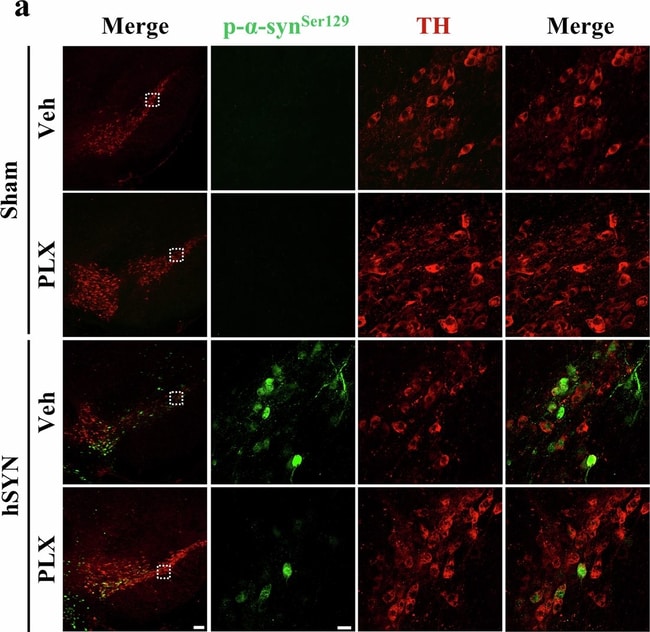
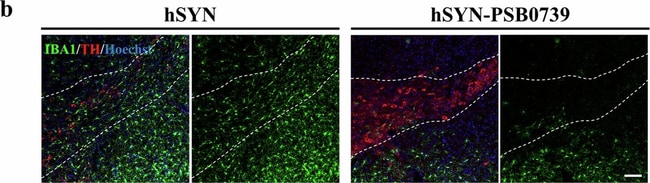
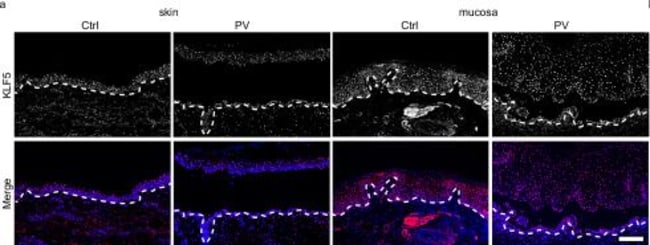
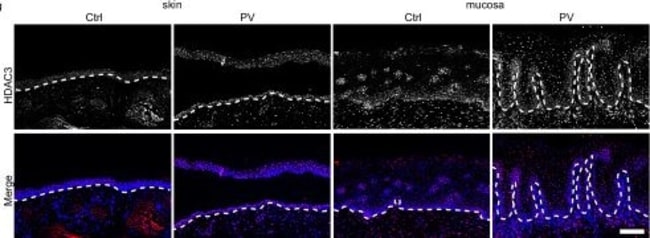
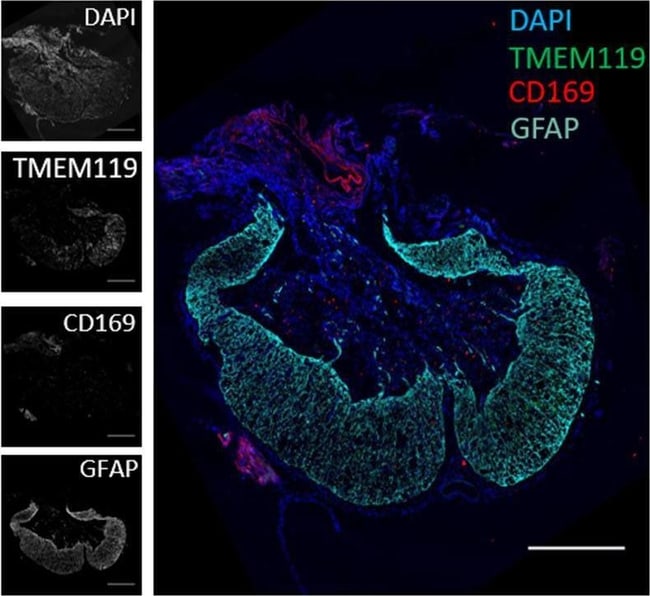
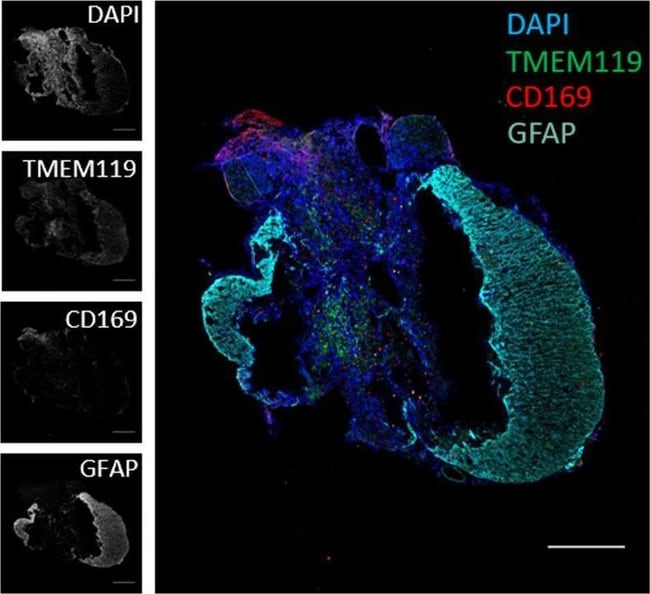
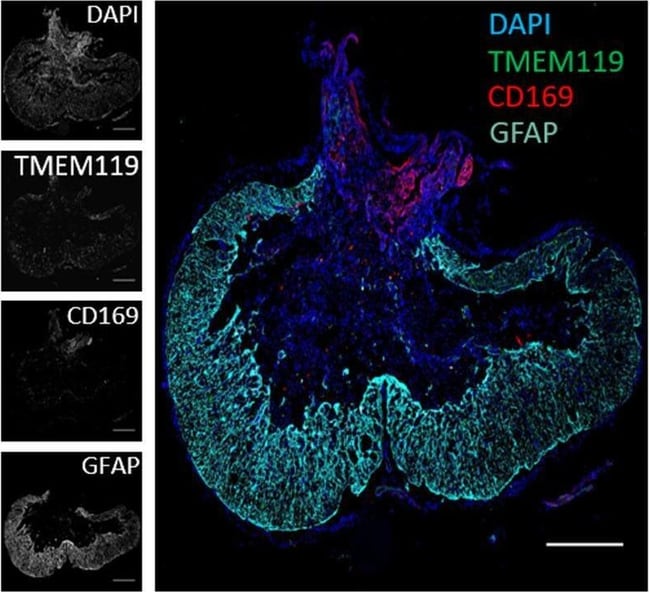
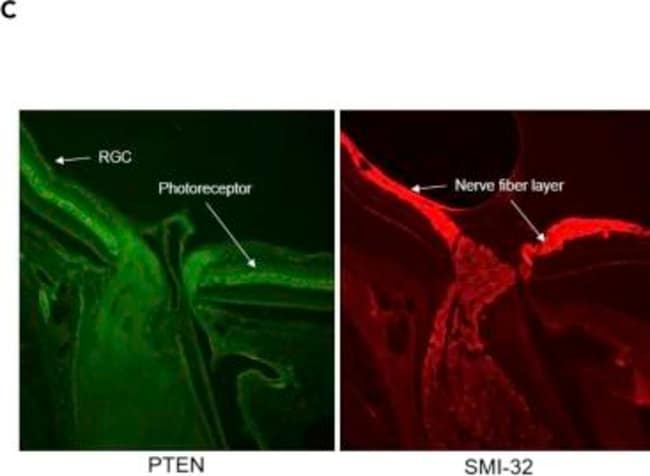


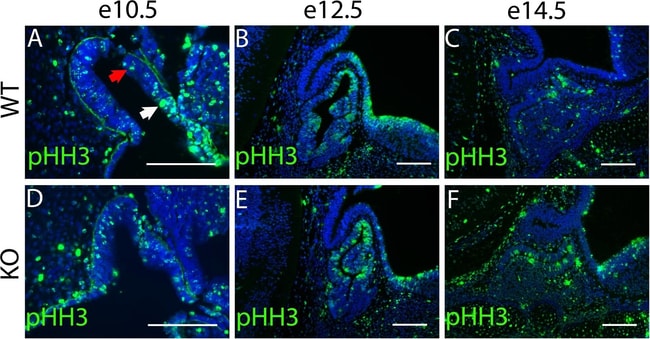
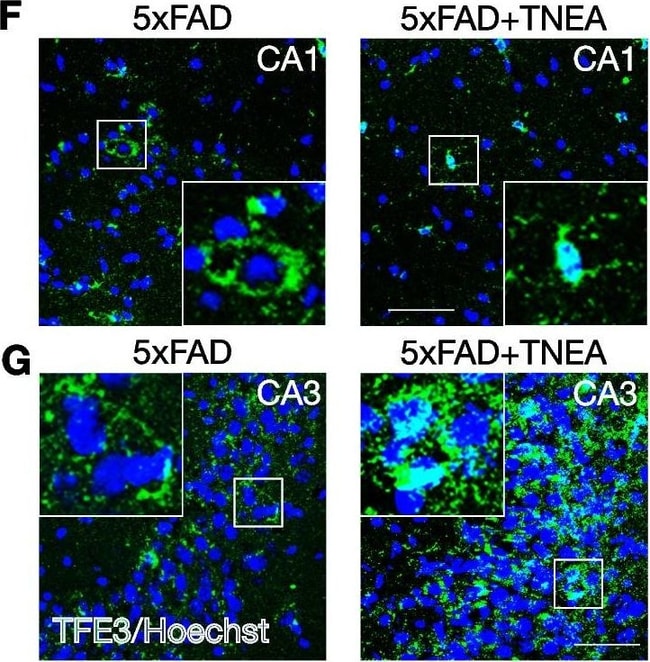

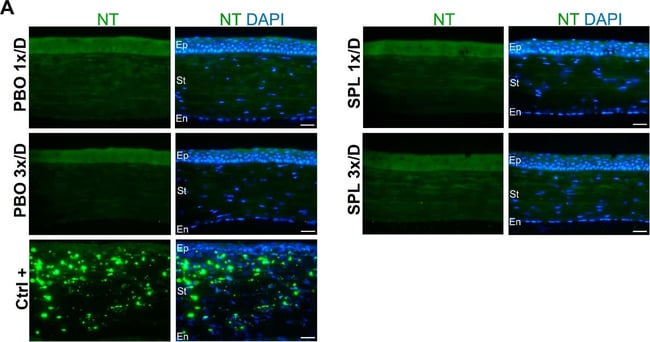

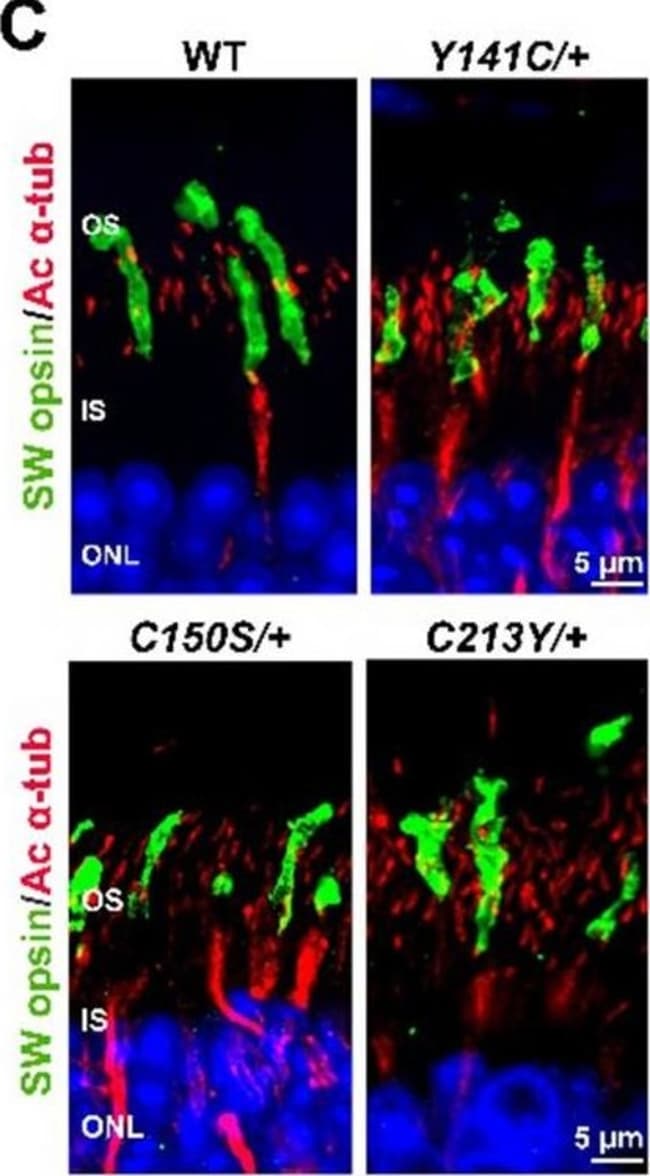


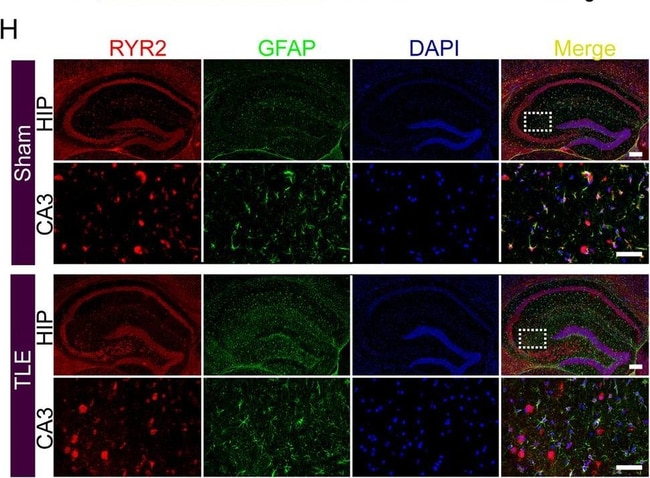

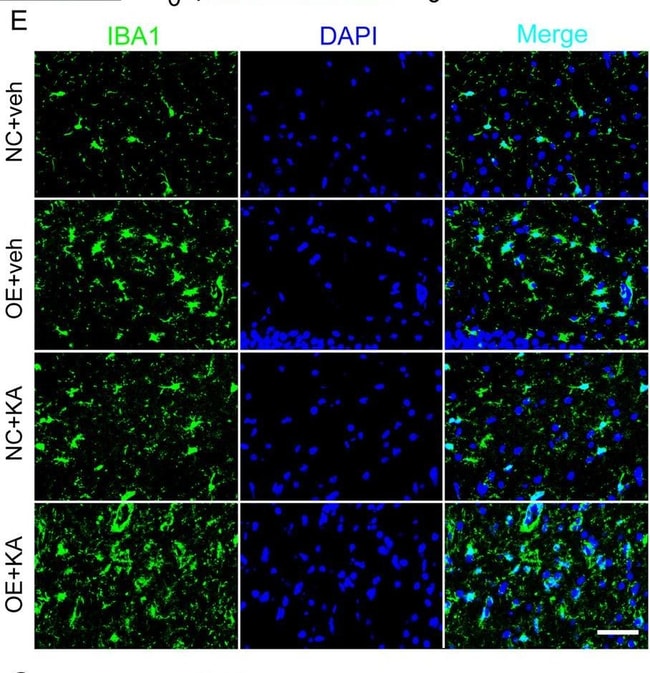
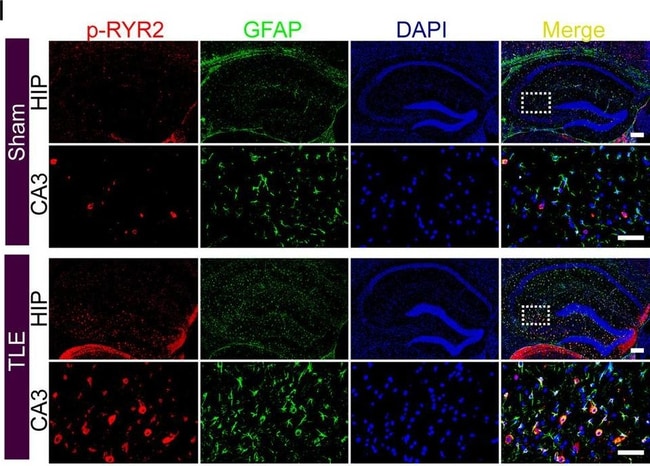
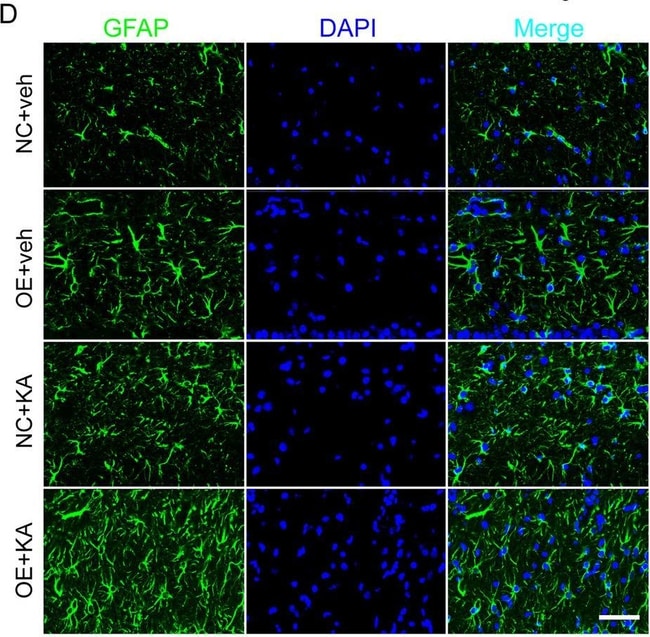
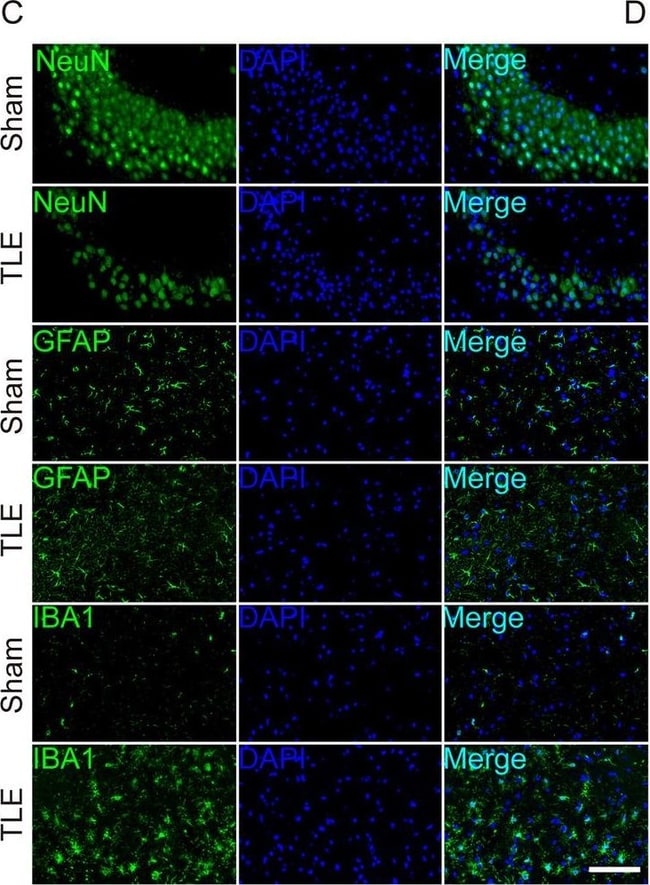
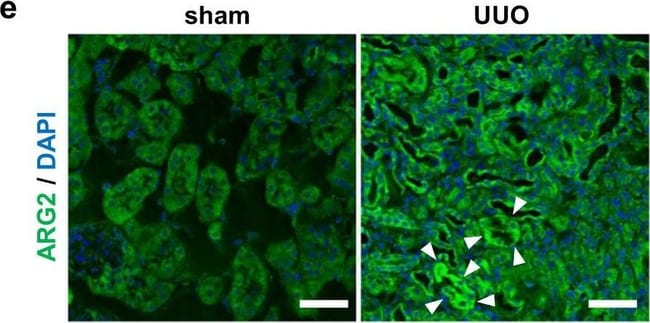
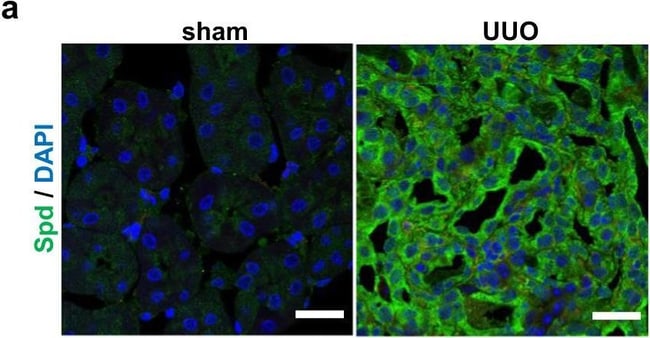


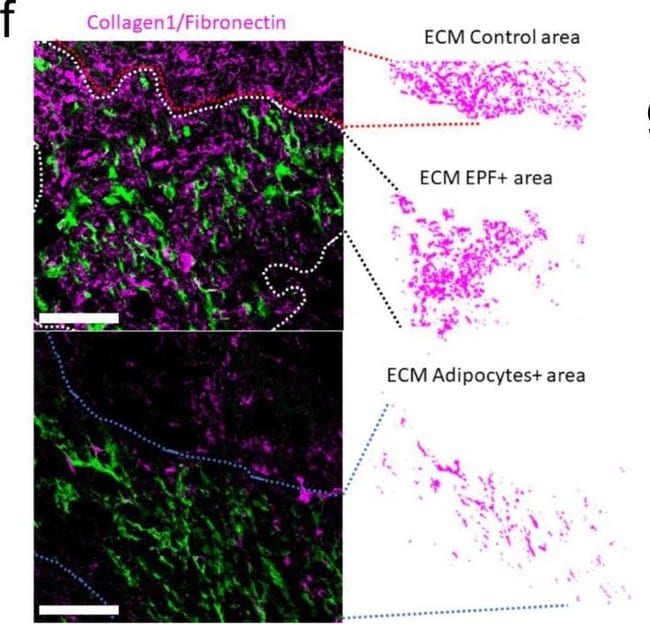


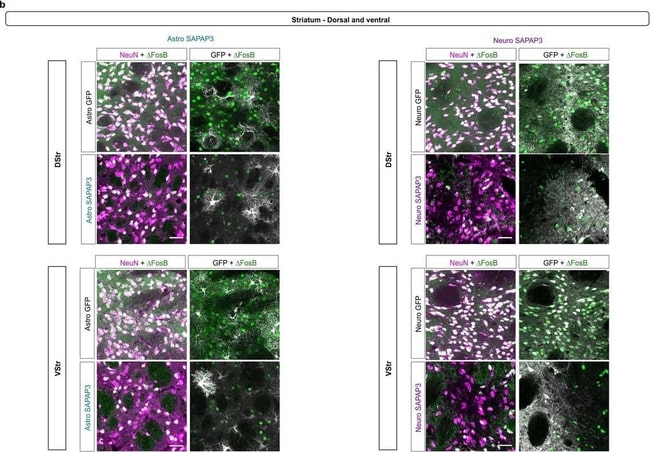

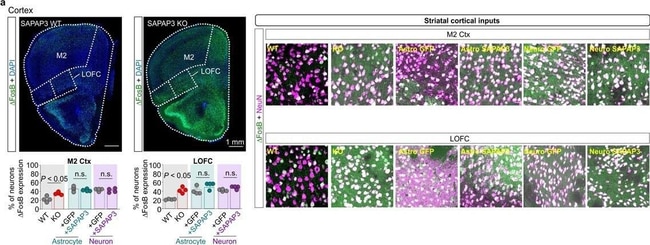
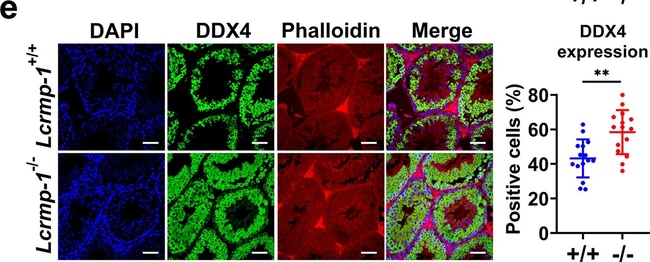
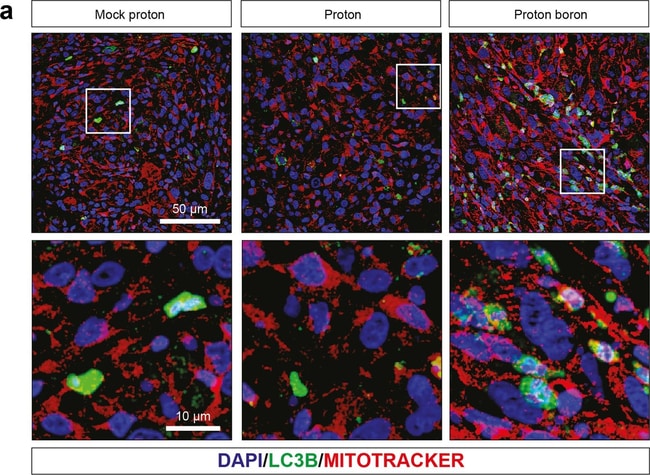

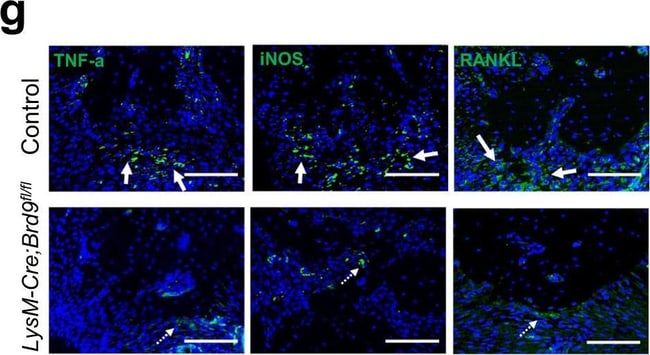


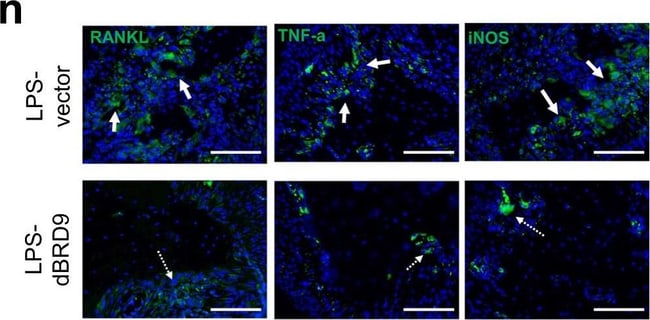


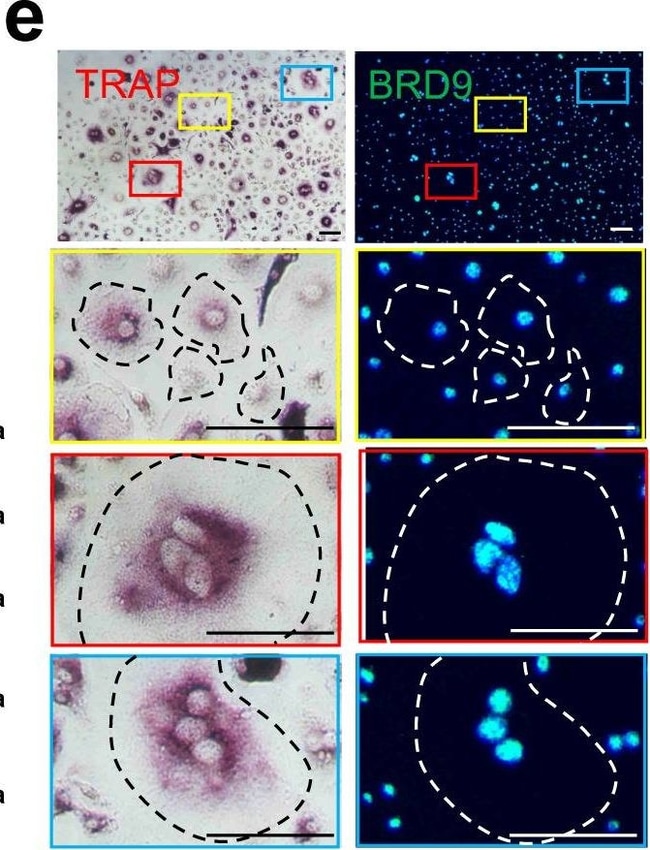


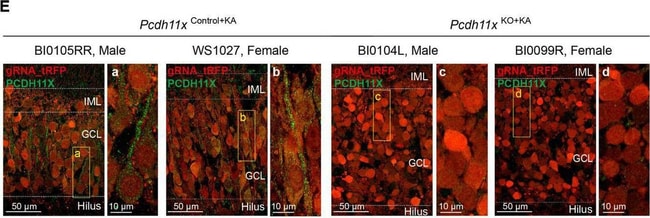


Invitrogen™ Goat anti-Rabbit IgG (H+L) Cross-Adsorbed Secondary Antibody, Alexa Fluor™ 488
Goat Polyclonal Secondary Antibody
Supplier: Invitrogen™ A11008

Description
Alexa Fluor dyes are among the most trusted fluorescent dyes available today. Invitrogen™ Alexa Fluor™ 488 dye is a bright, green-fluorescent dye with excitation ideally suited to the 488 nm laser line. For stable signal generation in imaging and flow cytometry, Alexa Fluor 488 dye is pH-insensitive over a wide molar range. Probes with high fluorescence quantum yield and high photostability allow detection of low-abundance biological structures with great sensitivity. Alexa Fluor 488 dye molecules can be attached to proteins at high molar ratios without significant self-quenching, enabling brighter conjugates and more sensitive detection. The degree of labeling for each conjugate is typically 2-8 fluorophore molecules per IgG molecule; the exact degree of labeling is indicated on the certificate of analysis for each product lot. The goat anti-rabbit IgG whole antibody conjugates are most commonly prepared by immunizing the host animal with a pooled population of immunoglobulins from the target species and can be further purified and modified (e.g., immunoaffinity chromatography, antibody fragmentation, label conjugation, etc.) to generate highly specific reagents. In the first round of purification, whole immunoglobulins binding to the immunizing antibody are recovered and mainly consist of the ~150-kDa IgG class. Further purification with Protein A or G removes all immunoglobulin classes except IgG such that the affinity-purified antibodies react with IgG heav...
Anti-Rabbit secondary antibodies are affinity-purified antibodies with well-characterized specificity for rabbit immunoglobulins and are useful in the detection, sorting or purification of its specified target. Secondary antibodies offer increased versatility enabling users to use many detection systems (e.g. HRP, AP, fluorescence). They can also provide greater sensitivity through signal amplification as multiple secondary antibodies can bind to a single primary antibody. Most commonly, secondary antibodies are generated by immunizing the host animal with a pooled population of immunoglobulins from the target species and can be further purified and modified (i.e. immunoaffinity chromatography, antibody fragmentation, label conjugation, etc.) to generate highly specific reagents.Chemical Identifiers
| Rabbit IgG (H+L) Cross-Adsorbed | |
| 4°C, store in dark | |
| Polyclonal | |
| Liquid | |
| IgG | |
| Rabbit | |
| Gamma Immunoglobins Heavy and Light chains. | |
| Secondary Antibody |
| 2 mg/mL | |
| Flow Cytometry, Immunohistochemistry (Frozen), Immunohistochemistry (Paraffin), Immunocytochemistry | |
| Alexa Fluor 488 | |
| Goat | |
| RUO | |
| PBS with 5mM sodium azide; pH 7.5 | |
| Secondary | |
| Purified |
Specifications
| Rabbit IgG (H+L) Cross-Adsorbed | |
| Polyclonal | |
| Alexa Fluor 488 | |
| Goat | |
| Purified | |
| RUO | |
| Rabbit | |
| Secondary Antibody | |
| IgG |
| Flow Cytometry, Immunohistochemistry (Frozen), Immunohistochemistry (Paraffin), Immunocytochemistry | |
| 2 mg/mL | |
| PBS with 5mM sodium azide; pH 7.5 | |
| Gamma Immunoglobins Heavy and Light chains. | |
| 1 mg | |
| Secondary | |
| 4°C, store in dark | |
| Liquid |